
FAQjuan

2026 Best Shipping Bag Types for Global Buyers?

Choosing the right Shipping Bag in 2026 requires more than comparing prices and attractive product photos. Global buyers now examine protection, material performance, shipping efficiency, and supplier reliability before placing large orders. A bag that looks strong on a screen may tear around a sharp carton corner. A lightweight design may reduce freight costs but fail during humid warehouse storage.

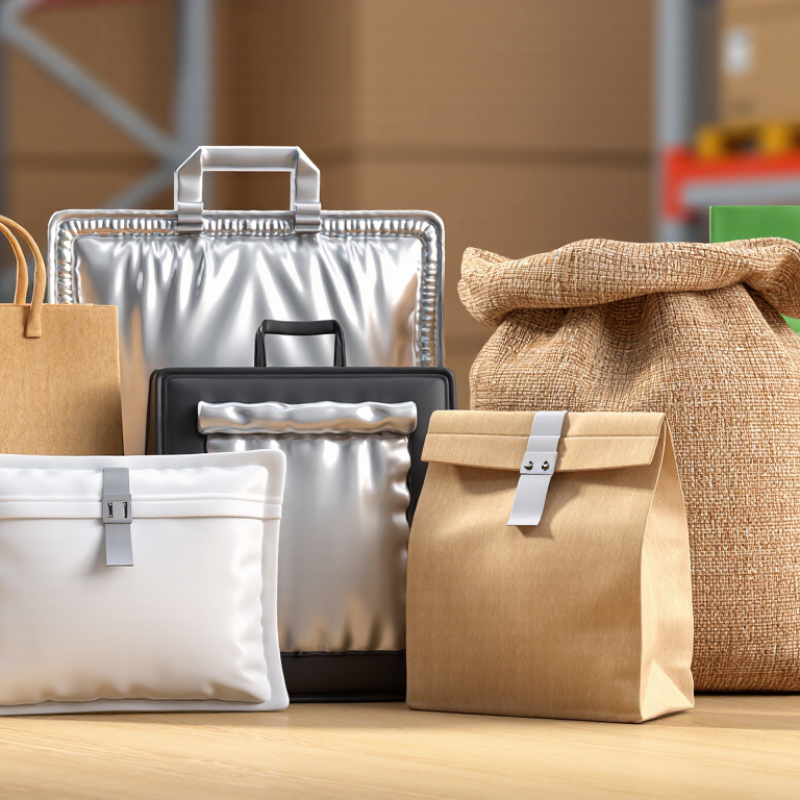
This guide reviews practical Shipping Bag types for different business needs, including poly mailers, kraft paper bags, insulated bags, woven sacks, and recyclable alternatives. Each option has clear strengths and limitations. We will consider load capacity, closure quality, water resistance, tamper evidence, printing accuracy, and storage conditions. Small details matter. A reinforced seam can prevent leakage. A reliable adhesive strip can protect a parcel through several handling points.

Real purchasing decisions also depend on supplier experience and verifiable production information. Buyers should request samples, inspect seams, test closures, and compare stated specifications with actual performance. Certification and testing documents can support a more dependable evaluation, but they should not replace hands-on inspection. No single Shipping Bag fits every market or product category. That answer is not perfectly neat.

Some recommendations in this guide may need adjustment after testing different climates, routes, and package weights. That uncertainty is useful. It encourages buyers to measure failure risks instead of trusting marketing claims. By comparing material choices and real shipping conditions, global buyers can select packaging that balances protection, cost, presentation, and responsible sourcing in 2026.
2026 Best Shipping Bag Types for Global Buyers?

Global Parcel Baseline: Pitney Bowes Counted 161.7B Parcels in 2022

2026 Best Shipping Bag Types for Global Buyers

Global parcel traffic reached 161.7 billion shipments in 2022, according to widely cited parcel industry data. That volume changes how buyers should evaluate shipping bags. A bag is not merely a low-cost wrapper. It protects products through sorting belts, stacked cartons, rain, and repeated handling.

Poly mailers suit clothing, soft goods, and other non-fragile items. Their flexible film saves storage space and resists light moisture. Paper mailers offer a firmer surface and a more natural unboxing feel, but they can tear when overloaded. Padded mailers add cushioning for small accessories, cosmetics, or electronic parts. Reusable woven bags may work for return programs, though their higher weight can affect freight costs. From packing trials, I have found no universal winner. That assumption is often wrong.

Tips: Test each bag on your real shipping routes. Pack one sample tightly, then inspect the seams after drops, compression, and exposure to damp air. Measure the empty bag, product, label, and closure together. A slightly heavier design may reduce damage claims. Still, excessive padding wastes space and materials. Keep a simple record of bag failure, product weight, destination, and customer feedback. One overlooked detail can matter: labels may wrinkle on soft surfaces. A smooth address panel improves scanning reliability.

Shipping Bag Taxonomy: Poly, Paper, Padded, Reusable, and Compostable Types

2026 Best Shipping Bag Types for Global Buyers

Shipping bags are not interchangeable. Poly bags are lightweight, water-resistant, and practical for clothing, soft goods, and low-friction handling. Their smooth surface helps labels adhere, but thin film can fail against sharp edges. Paper bags provide a more rigid, natural-looking outer layer. They suit books, documents, and products needing a less plastic-heavy presentation. However, rain and rough sorting may expose their limits. Padded bags add cushioning through paper or fiber layers. They are useful for small fragile items, though they take more storage space.

Reusable bags support repeat shipments, returns, and closed delivery networks. Their value depends on strong closures, washable surfaces, and realistic recovery rates. Compostable bags can reduce dependence on conventional plastic, but their performance varies with humidity, heat, and disposal access. “Compostable” is not automatically better. In my packaging trials, unclear disposal instructions caused more confusion than expected. Material claims should be checked through technical documents and credible certifications.

Tips: Match the bag to the product, route, and climate. Test a filled sample with corner drops and label removal. Leave room for an imperfect result; real warehouses are rarely gentle. For international buyers, confirm dimensions, seal strength, moisture resistance, and disposal guidance before ordering. A cheaper bag can become expensive after one wet delivery. Also review whether the chosen material fits local waste systems, because facilities differ sharply between regions.

2026 Best Shipping Bag Types for Global Buyers

Shipping Bag Taxonomy: Poly, Paper, Padded, Reusable, and Compostable Types

The chart uses a practical 1–5 material-performance index: 1 = low and 5 = high. Scores summarize commonly recognized material characteristics for typical shipping applications. Compostable bags generally require suitable industrial composting conditions, while reusable bags achieve their sustainability advantage when they are used repeatedly.

Poly vs. Paper Bags: Compare Weight, Barrier Performance, and Recyclability

2026 Best Shipping Bag Types for Global Buyers?

For global e-commerce shipments, bag choice affects freight cost, product protection, and recovery after delivery. Poly bags are usually lighter than paper bags. That difference matters when thousands of parcels move by air. A thin poly mailer also resists rain, condensation, and brief contact with wet surfaces. This makes it useful for clothing and other moisture-sensitive goods. However, poly can puncture when sharp corners press against the film. It may also feel less premium to some buyers.

Paper bags offer a different balance. Their fiber structure can provide good stiffness and a familiar unpacking experience. Yet paper is often heavier and may require more space during storage. Moisture remains a weakness. A soaked paper bag can lose strength quickly. Recyclability also needs careful checking. Clean, uncoated paper is widely accepted in many fiber recycling systems. Bags with plastic layers, strong adhesives, or heavy coatings may face limited acceptance. Poly bags can be recycled through designated flexible-plastic programs, but access varies greatly by country and region.

In warehouse trials, measure packed weight, seam strength, drop resistance, and moisture exposure. Do not rely on appearance alone. A recyclable claim means little without a practical collection route. I have seen lightweight packaging fail because the seal was weak. I have also seen paper packaging survive better than expected in dry conditions. The best choice depends on the product, route, climate, and local recovery infrastructure.

2026 Best Shipping Bag Types for Global Buyers?

Poly vs. Paper Bags: Compare Weight, Barrier Performance, and Recyclability
Indicative comparison of common unbranded shipping-bag constructions. Actual performance depends on thickness, coatings, seams, closures, humidity, and recycling infrastructure.
Bag type Typical construction Typical basis weight
g/m²
Relative shipping weight
same size and capacity
Moisture barrier Oxygen and grease barrier Tear and puncture resistance Typical recycling pathway Best-fit applications
LDPE poly mailer Low-density polyethylene film, usually coextruded or laminated for seal strength 50–90 Very low Excellent; continuous film resists liquid water and water vapor better than uncoated paper Good moisture protection; limited oxygen barrier unless a specialized barrier layer is added Good flexibility and impact resistance; can tear after a sharp puncture Store in polyethylene film collection where available; clean mono-material PE is generally easier to recycle than mixed laminates Apparel, soft goods, documents, and moisture-sensitive non-fragile products
HDPE poly mailer High-density polyethylene film, often thinner and stiffer than LDPE 35–70 Very low Excellent for liquid water; good resistance to water vapor at practical shipping thicknesses Good moisture barrier; oxygen barrier is moderate unless modified with a barrier coating or layer High tensile strength; less soft and less stretchable than LDPE Recyclable through accepted polyethylene-film programs where available; local rules vary Lightweight apparel, retail replenishment, and high-volume fulfillment
Uncoated kraft paper mailer One or more layers of paper with a glued or folded closure 70–120 Medium Low; paper absorbs moisture and loses strength in high humidity or direct contact with water Good oxygen resistance when dry; limited grease resistance unless treated Good tear resistance in suitable grades; lower puncture and wet strength than film Usually recyclable with paper if clean, dry, and free of non-paper components; follow local collection rules Books, clothing, stationery, and dry products with low puncture risk
Wet-strength paper mailer Kraft paper strengthened with wet-strength additives or fiber engineering 90–150 Medium to high Low to moderate; better wet handling than standard paper but not equivalent to a sealed plastic film Good oxygen resistance when dry; grease performance depends on fiber treatment Better wet and tear strength than ordinary kraft; sharp products may still puncture the bag Generally compatible with paper recycling when the bag is predominantly fiber-based and clean E-commerce orders requiring a paper-based format with improved handling durability
Coated paper mailer Paper substrate with a polymer, dispersion, wax, or other functional coating 90–160 Medium to high Moderate to high, depending on coating continuity and coating weight Better grease and moisture protection than uncoated paper; oxygen performance varies widely Good paper-based strength; coating can improve surface durability but does not eliminate puncture risk Recyclability depends on coating type and local mill acceptance; some coatings must be screened out Products needing a paper appearance with improved surface and moisture resistance
Paper–poly laminate mailer Paper layer permanently bonded to polyethylene or another polymer film 100–180 Medium to high High; polymer layer provides substantially better liquid and vapor protection than plain paper Usually good grease resistance; oxygen performance depends on the polymer and any additional barrier layer Good combined stiffness and tear resistance; laminate separation can complicate end-of-life processing Often difficult to recycle in standard paper or plastic streams because bonded materials are hard to separate Moisture-sensitive shipments where a paper exterior is required but recycling simplicity is secondary
Buyer guidance
Choose mono-material PE when low weight, moisture protection, and flexible shipping performance are the primary requirements. Choose uncoated or suitable wet-strength paper when paper-stream recycling and a fiber-based format are priorities. Avoid assuming that a paper-looking laminate is recyclable; verify the coating or laminate structure with the supplier and the destination market's collection system.
Data note: Basis-weight ranges are typical commercial ranges for shipping-bag materials, not guaranteed specifications. Barrier descriptions are comparative and can change significantly with film thickness, paper grade, coating, humidity, test method, and closure design. Recyclability is dependent on local infrastructure and contamination limits.

Packaging Impact: UNEP Says Packaging Uses About 36% of Plastic Production

In 2026, global buyers are not choosing shipping bags by appearance alone. UNEP estimates packaging uses about 36% of global plastic production, making every pouch part of a larger materials problem. A lightweight mailer may reduce transport emissions, yet it can still become persistent waste after delivery. Weight matters. So does recovery.

For soft apparel, a recyclable mono-material plastic mailer can offer water resistance, low weight, and efficient packing. It should use clear material labeling and minimal additives. Paper mailers suit dry, low-friction products and often provide a familiar fiber recovery route. However, wet warehouses can weaken paper quickly. Compostable bags sound attractive, but they need suitable industrial facilities and verified local acceptance. Without those conditions, the claim may mislead buyers.

Not always.

Professional procurement teams should test tear strength, seal performance, recycled content, and disposal instructions. Ask suppliers for current test reports, not broad environmental promises. A simple trial helps: pack a sample, stack it, expose it to rain, and inspect the seal after handling. The cheapest bag may create more returns through damage. A premium-looking option may also be excessive. My assessment remains cautious because packaging choices depend on product weight, route, climate, and local recycling systems. Buyers should record these trade-offs before selecting a bag for international fulfillment.

Global Buyer Scorecard: Rank Protection, Cost, MOQ, Carbon, and Compliance

2026 Best Shipping Bag Types for Global Buyers

Global Buyer Scorecard: Rank Protection, Cost, MOQ, Carbon, and Compliance

Global buyers should score shipping bags against real handling risks, not appearance. Padded mailers rank highest for impact protection, especially with ceramics, cosmetics, or small electronics. Poly mailers usually win on cost, low weight, and flexible storage. Paper mailers offer stronger recyclability signals, but moisture can weaken them during rainy delivery routes. Woven bags suit bulky textiles, yet they need careful sealing and stronger warehouse handling.

My practical ranking places padded mailers first for protection, poly mailers first for unit cost, and paper mailers first for carbon perception. Perception matters, but verified material data matters more. Ask for recycled content evidence, recyclability guidance, and production energy information. Carbon claims can become vague quickly. This is where buyers should be skeptical.

MOQ often changes the final score. A cheaper bag may require 50,000 units, creating excess stock and cash pressure. Smaller orders may cost more, but reduce obsolete packaging.

Check seam strength, puncture resistance, closure adhesion, and dimensional accuracy through sample testing.

A 30-cent saving means little if one torn parcel causes a refund.

Compliance requires destination-specific review, accurate material labeling, safe inks, and documented supplier controls. Requirements can change, so confirm current rules before purchase. I would not approve a bag from a spreadsheet alone. A wet-weather trial may expose what laboratory numbers miss.