
For global apparel sellers, a shipping bag is more than a thin outer layer. It protects fabric from rain, dust, abrasion, and rough handling. A reliable Clothes Shipping Bag also supports clear branding, efficient storage, and easier order fulfillment. Small choices matter. A weak seam can ruin an otherwise careful shipment.
Packaging consultant Lisa McTigue Chavez offers a useful reminder: “The package is part of the product experience.” That idea applies strongly to clothing deliveries. A wrinkled shirt inside a torn mailer can damage customer trust. A sturdy, correctly sized bag feels more deliberate. However, no option is perfect. Recycled plastic may resist moisture well, while paper versions can reduce plastic use but struggle in wet conditions. Compostable materials also require suitable disposal systems, which many buyers may not have.
This guide examines seven Clothes Shipping Bag options for international and global buyers. It considers tear resistance, closure strength, waterproof performance, sizing, storage, labeling, and environmental trade-offs. Real shipping conditions are rarely gentle. Bags may face crowded warehouses, sharp carton edges, long-distance transport, and sudden temperature changes. A practical choice should match the garment, destination, and fulfillment process.
I have seen sellers choose oversized bags for convenience. That often wastes material and leaves clothing sliding inside. A smaller fit usually looks cleaner. Still, overly tight packaging can stress seams and damage folded garments. The best choice is not simply the cheapest or greenest. It is the bag that protects the product reliably, communicates care, and suits the buyer’s actual shipping journey.
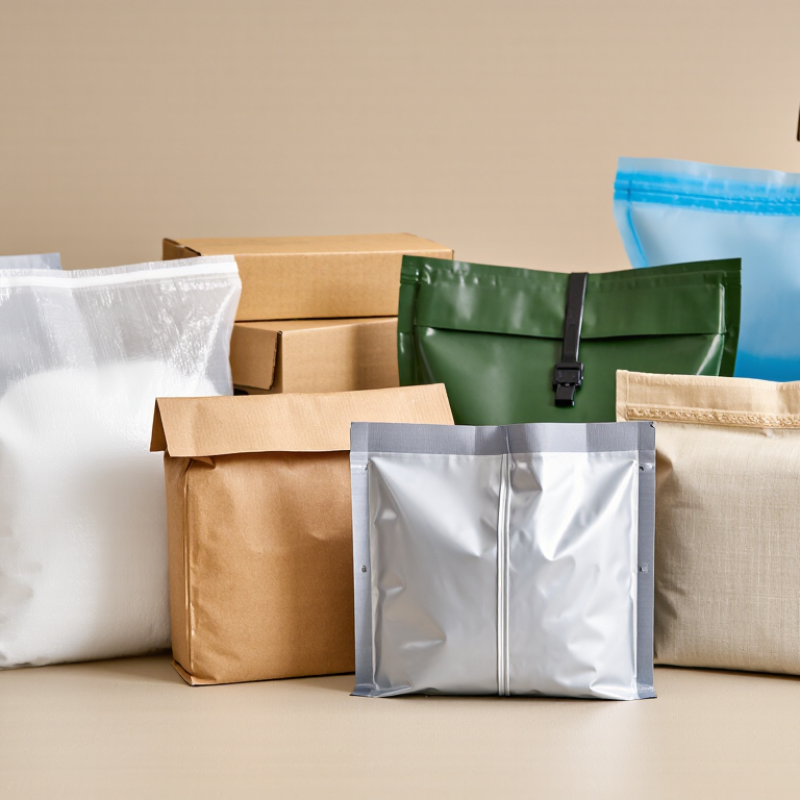
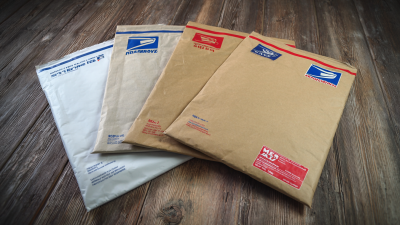
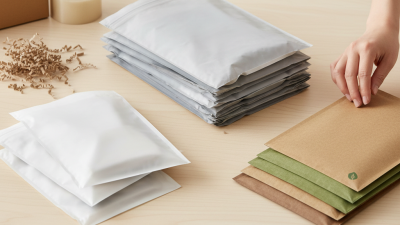
International clothing orders need more than a thin outer layer. The right bag protects fabric, controls postage weight, and presents a clean arrival. Poly mailers suit folded shirts, denim, and lightweight knitwear. They resist light rain and handle ordinary sorting pressure. Recycled paper mailers offer a firmer feel and easier fiber recovery where local systems accept them. However, paper can soften after prolonged moisture exposure. That detail is easy to overlook. Garment bags work better for dresses, tailored jackets, and items that wrinkle easily. They provide space, but their larger shape may increase shipping volume.
Bubble-lined mailers protect delicate trims and buttons from minor impacts. They are useful for scarves, accessories, or thin embellished pieces. Yet the extra lining adds material and may complicate recycling. For heavy coats or several garments, a reinforced mailing bag or compact corrugated outer package gives stronger support. Choose it only after measuring the packed parcel. A loose package wastes space. A tight package may crush folds.
Tips: Test each bag with a sample shipment. Check seam strength, closure adhesion, and resistance to a damp cloth. Use a clear address panel and a second internal packing slip. Fold sharp hooks inward, remove loose hangtags, and keep the garment dry before sealing. Record parcel dimensions and weight. Small errors can change delivery costs. I once preferred the lightest bag, but its weak seal caused avoidable repacking. The cheaper option was not truly cheaper. Review customer feedback, damage rates, and destination climate before choosing one type. No bag is perfect.
7 Best Clothes Shipping Bags for Global Buyers
Key Features to Compare in Global Shipping Bags
When comparing clothes shipping bags, start with material strength, thickness, and seam quality. In packing trials, thin film often handles light shirts well but fails around buckles or sharp labels. A stronger bag resists punctures, tearing, and rough conveyor handling. However, extra thickness can increase weight and shipping costs. No single material suits every garment.
Moisture protection matters during long international journeys. Look for a bag with reliable water resistance and an adhesive strip that seals evenly across the opening. Test the seal after filling the bag, not before. Cold storage, dust, and folded fabric can weaken adhesion. Some failures are easy to miss until the parcel reaches a humid port.
Size deserves careful comparison. The bag should fit the clothing without excessive empty space, which can cause shifting and wrinkles. A clear address panel, readable label area, and strong surface for barcode adhesion also improve handling. Opaque material protects privacy, while tamper-evident closures discourage unnoticed opening. Recycled or compostable options may support sustainability goals, but their durability varies. Ask for sample testing under realistic packing conditions. That step feels slow. It prevents expensive assumptions.
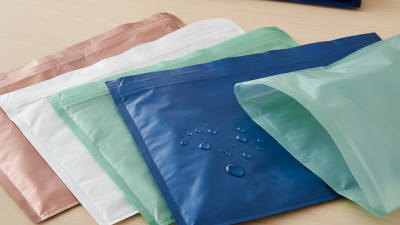
A standard poly mailer suits folded T-shirts, leggings, and light daily clothing. Its water-resistant outer layer handles rain during warehouse transfers. A recycled poly mailer offers similar protection with less virgin plastic. It works well for routine orders when appearance matters less than dependable sealing. A compostable mailer can serve lightweight garments, but buyers should verify accepted disposal standards in the destination market. “Compostable” does not mean it belongs in every household compost bin.
A gusseted mailer gives coats, sweaters, and several folded items extra room. Its side panels reduce pressure around bulky seams. A padded mailer protects delicate clothing accessories, such as belts, scarves, or decorated fabric pieces. It adds cushioning, though it may cost more and use more material. A reusable fabric shipping bag fits return programs and frequent customer exchanges. Strong stitching helps, but dirty returns can create hygiene concerns. Clear handling instructions are essential.
A vacuum compression bag reduces volume for thick jackets and winter clothing. It saves storage space, but prolonged compression can crease some fabrics. A garment bag with a hanger opening works for suits, dresses, and tailored pieces. It helps preserve shape during movement inside a carton. I recommend checking seals, seams, and label adhesion before international dispatch. No bag is perfect. Humidity, rough handling, and inaccurate size estimates still cause failures, so small trial shipments deserve careful review.
7 Best Clothes Shipping Bags for Global Buyers
Choosing the right clothes shipping bag starts with the order, not the seller’s preference. Lightweight T-shirts usually fit standard poly mailers, while denim needs stronger recycled-poly bags with reinforced seams. Paper mailers suit folded shirts, but moisture can weaken them during long transit. Padded mailers protect delicate buttons and accessories. Garment bags work better for formalwear and jackets. Gusseted bags handle bulky sweaters, while vacuum bags reduce volume for soft clothing. No bag is perfect.
Tips: Match the bag to weight, fabric, and weather exposure. Leave enough space to seal it without crushing collars or zippers. Test one packed order before buying in bulk. I once underestimated a thick hoodie, and the seam stretched near the corner. That small mistake could have caused damage in transit. Also, measure the final parcel, not the folded garment, because shipping charges often depend on package dimensions.
For international clothing orders, choose water-resistant material and a reliable closure. Clear size labeling can reduce packing errors, especially when several orders look similar. Avoid excessive empty space, which lets garments move and wrinkle. However, compression may harm structured clothing or delicate decorations. Check the bag’s tear resistance, seal strength, and temperature tolerance. Recyclability also matters, but claims should be verified through supplier documentation. A practical choice balances protection, cost, appearance, and the buyer’s unboxing experience.
| Bag Type | Best for Clothing Orders | Typical Material | Common Size Range | Practical Load | Weather and Tamper Protection | Reusability and Sustainability | Selection Considerations |
|---|---|---|---|---|---|---|---|
| 1. Poly Mailer Bag | Folded T-shirts, shirts, leggings, underwear, and other lightweight garments. | Low-density polyethylene or co-extruded polyethylene film, usually with a self-sealing adhesive strip. | Approximately 23 × 30 cm to 45 × 55 cm. | Usually suitable for about 0.5–3 kg when the garment bundle is packed flat and the seams are not overstressed. | Water-resistant exterior and opaque construction; the adhesive closure provides basic tamper evidence. | Typically designed for single-use shipping. Recycling depends on local acceptance of flexible plastic film. | Choose for low-cost international parcels where low weight and compact dimensions are priorities. |
| 2. Padded Mailer | Delicate knitwear, embellished garments, small accessories, and clothing that needs light cushioning. | Paper or plastic outer layer with a bubble, foam, or paper-fiber cushioning layer. | Approximately 18 × 26 cm to 35 × 50 cm. | Usually suitable for about 0.3–2 kg, depending on the cushioning and closure strength. | Provides better abrasion and impact protection than a flat mailer; water resistance varies by outer material. | Paper-based versions may be easier to recycle than mixed-material versions; reuse is possible if the seal remains intact. | Use when protecting the garment from scuffing is more important than achieving the smallest possible package volume. |
| 3. Recycled-Content Poly Mailer | Routine apparel orders for buyers seeking a lower virgin-plastic option. | Polyethylene film containing post-consumer or post-industrial recycled content. | Approximately 23 × 30 cm to 45 × 55 cm. | Usually suitable for about 0.5–3 kg, subject to film thickness, seal quality, and garment volume. | Offers water resistance and opaque coverage comparable to many standard poly mailers; performance depends on the film specification. | Uses recycled feedstock, but it is still generally a flexible plastic product and may require a specialist recycling stream. | Select when lightweight shipping and reduced use of virgin plastic are both important. |
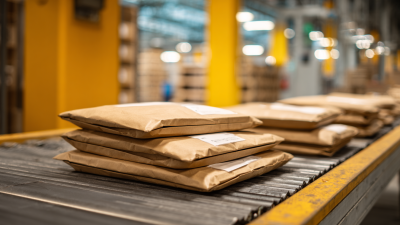
| 4. Paper Mailing Bag | Lightweight garments, flat-packed fashion items, and orders where a paper-based outer package is preferred. | Kraft paper, often with a reinforced paper construction and a peel-and-seal closure. | Approximately 25 × 35 cm to 40 × 55 cm. | Usually suitable for about 0.5–2.5 kg, depending on paper weight, gusset design, and moisture exposure. | Good puncture resistance when reinforced, but paper generally has lower moisture resistance than polyethylene. | Often recyclable through paper collection when free from plastic film, heavy coatings, and excessive contamination. | Choose for dry shipping routes and orders where paper recyclability and a paper-based presentation are priorities. |
| 5. Gusseted Apparel Mailer | Bulky sweaters, hoodies, denim, jackets, and multi-item clothing orders. | Polyethylene, recycled polyethylene, or coated paper with expandable side or bottom gussets. | Approximately 30 × 40 × 5 cm to 50 × 70 × 15 cm. | Usually suitable for about 1–5 kg, depending on the gusset depth, film or paper strength, and closure design. | Provides more usable volume than a flat mailer while retaining reasonable protection against moisture and handling abrasion. | Reusability varies; recyclable options depend on whether the bag is made from a single compatible material. | Select when the order is thick or irregularly folded and forcing it into a flat bag could damage the seal. |
| 6. Reusable Fabric Shipping Bag | Subscription apparel, returns, rental garments, uniforms, and repeat shipments between known parties. | Woven or nonwoven polypropylene, polyester, cotton canvas, or another abrasion-resistant textile. | Approximately 30 × 40 cm to 60 × 80 cm. | Commonly suitable for about 2–10 kg, depending on handles, stitching, zipper or hook-and-loop closure, and fabric weight. | Strong resistance to abrasion and repeated handling; water resistance requires a suitable fabric treatment or liner. | Designed for repeated use and can reduce single-use packaging when an effective return loop exists. | Choose only when the bag can realistically be collected, returned, or reused enough times to justify its higher initial material use. |
| 7. Heavy-Duty Courier Bag | High-value clothing, multiple garments, wholesale samples, and orders that require stronger security. | Thicker polyethylene film or reinforced multi-layer plastic, usually with a permanent tamper-evident closure. | Approximately 30 × 40 cm to 55 × 75 cm. | Usually suitable for about 2–8 kg, depending on film gauge, seam construction, and package dimensions. | High resistance to tearing, moisture, and casual opening; permanent closure makes unauthorized access easier to detect. | Often single-use and may be difficult to recycle because of mixed layers, labels, or security features. | Use for higher-value or heavier international clothing orders where security and tear resistance outweigh minimum packaging cost. |
Choosing among the seven best clothes shipping bags starts with the destination, not the appearance. A strong bag should resist rain, abrasion, and rough conveyor handling. For a folded shirt, a 30 × 40 cm mailer often leaves enough room without wasting space. The seal should close firmly. Test it by pressing the package gently after packing. If air escapes easily, the closure may fail during transit.
International packing also requires accurate information. Weigh the finished parcel, including the bag and tape. Describe the contents clearly as clothing, and state the correct quantity and value on shipping documents. Never hide details to reduce charges. Customs forms differ by destination, so check official carrier or government guidance before dispatch. Put the address on a flat surface, away from folds and seams. Use a second protective bag when the fabric is valuable or the route is especially wet.
I once overfilled a mailer to save space. The corners stretched, and the seal looked weak. That shortcut was not worth the risk. Leave a little room around zippers, buttons, and sharp packaging edges. Fold garments neatly, add a thin inner wrap, and remove unnecessary hangers or bulky inserts. Choose recyclable materials only when local facilities can process them. A package can look secure and still fail after days of compression. Test one packed sample before sending a larger batch.