Top Printed Bag Trends You Need to Know?
In today's fast-paced world, the Printed Bag industry stands at the forefront of innovation. Experts highlight that printed bags are not just functional; they are a canvas for creativity. Rebecca Chen, a renowned authority in sustainable packaging, states, "Printed Bags can be a reflection of brand identity and values."
The latest trends in printed bags focus on personalization and eco-friendliness. Brands are now harnessing advanced printing techniques to create vibrant, unique designs. These bags serve as marketing tools that engage consumers on multiple levels. Beyond aesthetics, it’s essential to consider the materials used. The push for sustainability raises questions about plastic versus biodegradable options.
While trends like minimalism and bold prints gain popularity, there are challenges to address. Many consumers are still unaware of the environmental impact of certain printed bags. The industry must strive for education and awareness. Are we choosing style over substance? Ultimately, emerging trends in the Printed Bag sector reflect broader consumer desires and industry responsibilities.
Current Popular Printed Bag Styles for 2023
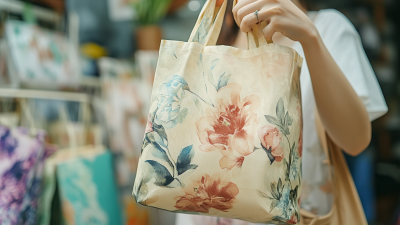
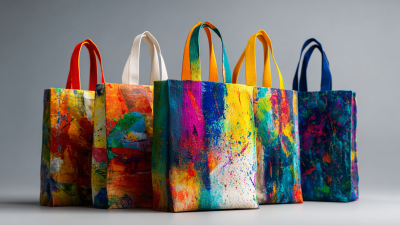
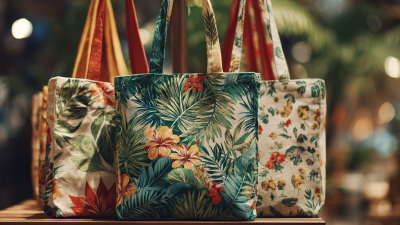
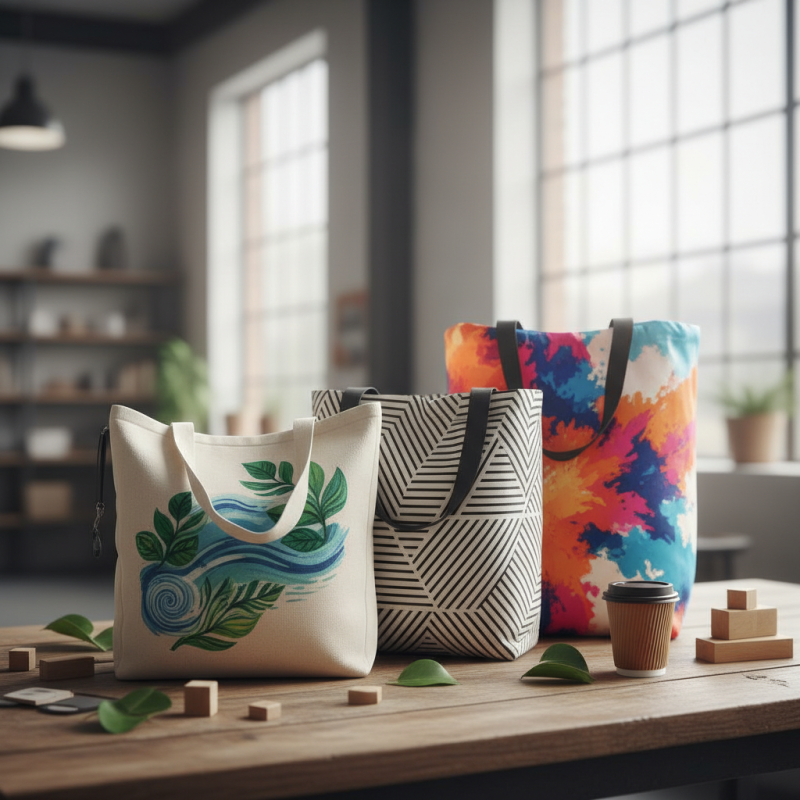
Printed bags are making a strong statement in 2023. Bright colors and bold patterns are everywhere. From florals to geometric shapes, there’s something for everyone. Many are opting for bags that reflect personal style. Unique prints can turn an ordinary outfit into a fashion statement.
One trend gaining attention is eco-friendly fabrics. Sustainable materials infused with vibrant prints are popular choices. Shoppers want bags that are both stylish and environmentally conscious. Tie-dye prints are making a comeback too. They bring a playful vibe and remind us of carefree days. However, not everyone can pull off these attention-grabbing designs.
Mixing prints is another trend. It challenges traditional style rules, but it’s not easy to master. Combining different patterns can result in a bold look. Yet, it may also lead to visual chaos if done incorrectly. Balance is crucial. Finding the right combination may take practice, but it can be rewarding. Embrace the imperfections in your style journey.
Top Printed Bag Trends You Need to Know - 2023
Key Materials Used in Trendy Printed Bags
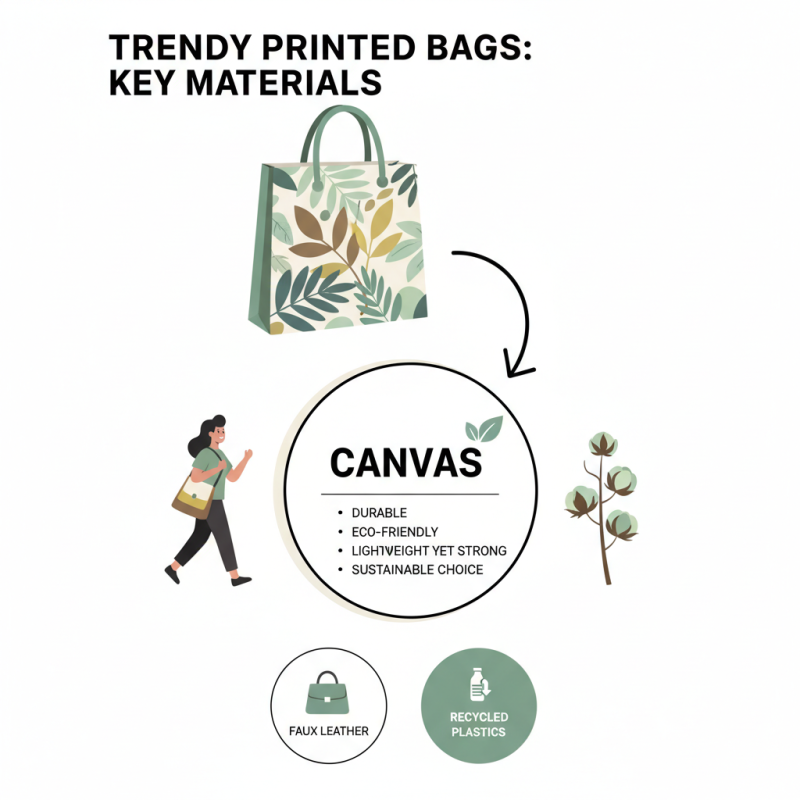
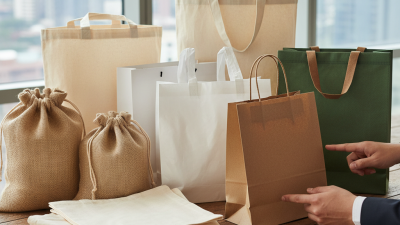
Printed bags have become a staple in the fashion world. The materials used in these bags play a crucial role in their appeal. Among the most popular materials, canvas stands out for its durability and eco-friendliness. It's lightweight yet strong enough to carry daily essentials. Many people are switching to canvas bags for sustainability.
Another trendy option is recycled plastic. This material gives a unique look while helping the environment. Bags made from recycled plastic can feature vibrant prints and patterns. They help reduce waste, but the quality can vary. Some may fray or lose shape over time, so careful selection is key.
Lastly, faux leather is gaining traction. It's versatile and offers a polished finish. Faux leather bags can mimic the elegance of real leather without the ethical concerns. However, they may not be as durable as expected. Over time, they can wear out or scratch easily. Choosing the right printed bag involves balancing style, materials, and longevity. Sustainable fashion requires thoughtful consideration, and it’s not always straightforward.
Color and Pattern Combinations Dominating the Market
The world of printed bags is vibrant and exciting. Color and pattern combinations are at the forefront of this trend. Bold prints are catching the eye. Bright florals, geometric shapes, and whimsical designs are everywhere. These combinations elevate the ordinary into the extraordinary. It's about making a statement with every carry.
Some patterns clash beautifully, creating a unique vibe. For instance, floral prints paired with stripes can feel fresh and daring. It brings a touch of playfulness to any outfit. However, not every combination works. Sometimes, the mix feels overwhelming or chaotic. It's essential to choose patterns that resonate personally. Balance is key; too much can detract from the overall look.
Consider the tones used in printed bags. Pastels are prevalent, offering a softer touch. Meanwhile, neon shades scream for attention. Mixing muted colors with vibrant prints can create visual harmony. The challenge lies in finding a balance that feels authentic. Experimenting is encouraged, but overthinking can lead to disappointment. Embrace the journey of discovering your style.
Practical Tips for Choosing the Right Printed Bag
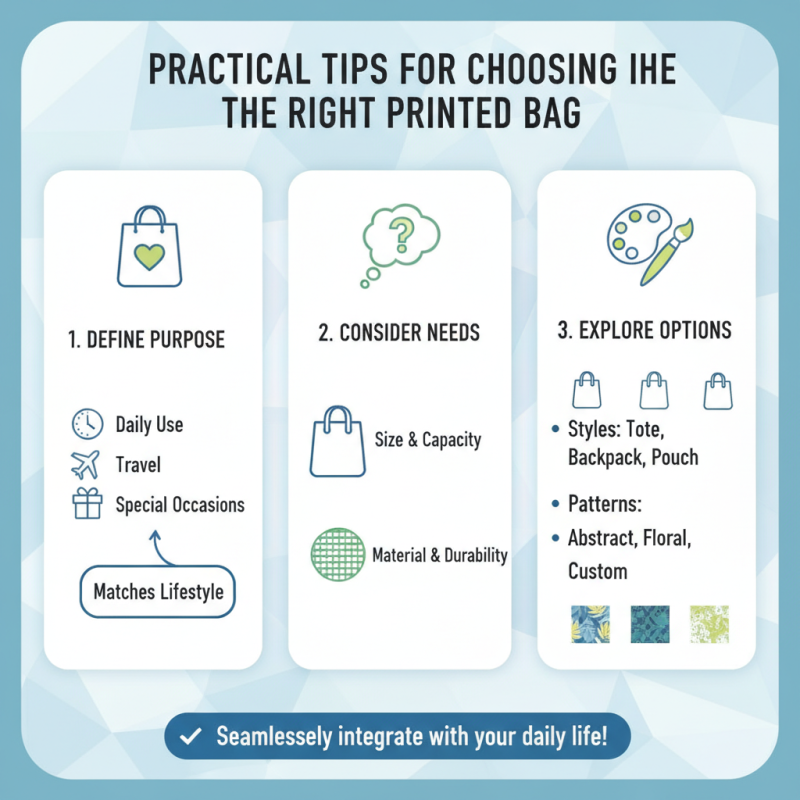
Choosing the right printed bag can be overwhelming. With so many styles and patterns available, it's essential to consider your needs. Think about the purpose of the bag. Is it for daily use, travel, or special occasions? The right bag should match your lifestyle seamlessly.
Consider the material of the bag. Fabric bags are often lightweight but may not be durable. On the other hand, leather or synthetic materials can offer longevity but might be heavier. Additionally, check the print. Bold patterns can be eye-catching but might clash with some outfits. Subtle prints can be versatile yet feel mundane.
Think about size as well. A too-small bag may limit what you can carry. A bag that's too large can be tiresome to lug around. Reflect on how you feel when carrying the bag. It should feel comfortable and reflect your style. Remember, finding the perfect printed bag requires patience and experimentation. Don't rush the process; sometimes, your ideal choice may surprise you.
Sustainable Printed Bag Trends: Eco-Friendly Options
The rise of sustainable printed bags reflects a growing consumer demand for eco-friendly options. Recent industry reports highlight that 67% of consumers prefer sustainable products. This trend is not only about reducing plastic but also about embracing materials that are biodegradable or recyclable. For example, bags made from organic cotton or hemp are gaining attention for their low environmental impact.
Many printed bag designs now feature eco-conscious messages. Graphics often promote sustainability themes, such as “save the planet” or “reduce, reuse, recycle.” This aligns with the values of younger shoppers. In fact, studies show that 72% of millennials are willing to pay more for products with sustainable materials.
However, challenges remain. Some consumers are skeptical about the durability of eco-friendly bags. There is a lingering misconception that sustainable materials compromise quality. While many bags are well-made, production processes can vary. Ensuring that sustainable options do not sacrifice function is key to winning over this audience. Balancing aesthetics, durability, and eco-friendliness is complex but essential for future growth in this market segment.