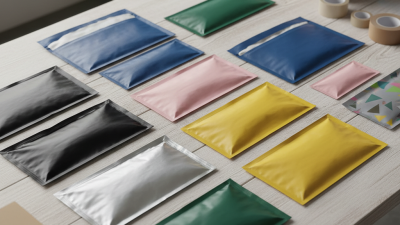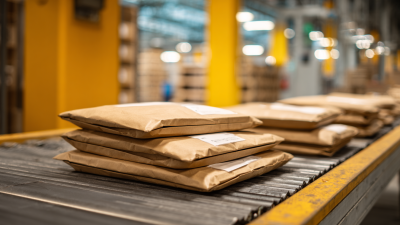

Choosing reliable suppliers matters when clothing travels through warehouses, courier networks, and customers’ doorways. A well-designed Clothes Shipping Bag can protect garments from moisture, dust, abrasion, and accidental tearing. It can also shape a brand’s first physical impression.
Packaging educator Dr. Walter Soroka offers a useful benchmark: “Packaging should protect the product, support handling, and communicate its purpose.” This principle remains practical for apparel shipping. A strong bag should have dependable seams, suitable film thickness, secure closures, and enough space for folded clothing. Recycled or recyclable materials may also support a company’s environmental goals, but claims require careful verification.
Small details matter.
A weak adhesive strip can fail in cold storage. An oversized bag may increase material use and shipping volume. A narrow opening can slow fulfillment workers during busy periods. These issues are easy to overlook during supplier comparisons. They become expensive when orders scale.
This guide examines China’s top Clothes Shipping Bag manufacturers through product quality, customization capability, production experience, testing practices, communication, and delivery reliability. It also considers whether a manufacturer can handle practical requirements, such as printed logos, different bag sizes, tamper-evident closures, and low-volume trial orders.
No ranking is perfect. Supplier information changes, and factory claims should be checked directly. Buyers should request samples, confirm specifications, and review relevant quality records before making a final decision. The best manufacturer is not always the cheapest. It is the one that consistently matches the garment, shipping route, brand promise, and real-world handling conditions.

Clothes shipping bags are lightweight protective mailers designed for garments moving from a warehouse to a customer. They usually use polyethylene, recycled plastic, or paper-based layers. Their sealed edges resist dust, light moisture, and rough handling during transit. Unlike boxes, these bags use less storage space and usually weigh less. This can reduce packing labor and shipping costs for shirts, trousers, and soft accessories.
In practical packing tests, the right size matters more than a glossy finish. A loose bag lets clothing slide and wrinkle. A tight bag may stress the seal. I once underestimated a thick winter sweater, and the closure split during a drop test. That small failure changed our size-check process. Reliable manufacturers should provide material thickness, seal strength, recycled-content details, and sample testing records. They should also explain whether the bag is recyclable locally, because “eco-friendly” claims can be vague. Garment bags do not prevent every problem. Sharp edges, overfilling, and poor storage can still cause tears.
Tips: Measure the folded garment first. Leave enough room for sealing. Check ten samples, not one. Test filled bags.
Clothing shipping bags, also called poly mailers or apparel mailers, are lightweight flexible bags used to protect garments from dust, moisture, and abrasion during storage and delivery. The chart shows commonly used approximate bag formats by external width and length; larger formats are suitable for bulky garments, jackets, or multiple clothing items.
When assessing China’s top clothes shipping bag manufacturers, start with measurable production evidence. Request factory photos, material specifications, and recent sample batches. A reliable supplier should explain polyethylene thickness, sealing temperature, adhesive strength, and printing tolerance clearly. Ask for samples packed with folded shirts, jackets, and heavier denim. Check whether seams split after compression or rough handling. Small details matter.
Factory capability needs more than attractive product photos. Review quality records, inspection procedures, and batch traceability. Confirm whether operators check dimensions, color consistency, odor, and barcode readability. A capable manufacturer should provide realistic production times and identify capacity limits during peak seasons. Visit the facility when possible. If travel is difficult, request a live video inspection with date-labeled materials visible. Certificates can support trust, but they should match the actual factory and current products.
Sustainability claims deserve careful questions. Ask about recycled content, packaging waste, and available material testing. Do not accept vague phrases such as “eco-friendly” without documents. Communication is another practical test. Send a detailed specification sheet and compare the supplier’s reply with your requirements. I have seen capable factories lose orders through unclear revisions. That is a useful warning. A cheaper quote may also hide thicker printing limits, weaker seals, or higher defect rates. Evaluate the complete cost, including inspection, replacement handling, and delivery risk.屜
China’s Top 10 Clothes Shipping Bag Manufacturers are often judged by more than low pricing. The strongest suppliers combine recycled or virgin polyethylene options, accurate sizing, dependable seals, and repeatable production. From practical sourcing experience, a useful comparison starts with samples, not catalog promises. Inspect a 30 by 40 centimeter bag under warehouse lighting. Check the seam, adhesive flap, odor, thickness, and print alignment. Small details matter.
A serious review should examine factory capacity, quality records, and export experience. Ask how operators control film thickness during high-speed production. Request test data for tensile strength, puncture resistance, and seal performance. Packaging for sweaters needs different protection from sharp-edged accessories. Moisture resistance also matters when cartons wait near loading areas. Clear communication helps, especially when measurements cross languages and time zones. Still, paperwork is not proof. Independent sampling remains worthwhile.
The top ten should therefore be viewed as a working shortlist, not a permanent ranking. A manufacturer may deliver excellent mailers yet struggle with small orders or seasonal pressure. Another may offer attractive customization but need closer color control. That is normal. I would record lead time, defect rates, sample revisions, and response speed before choosing. One overlooked issue is disposal guidance. Better bags can reduce material use, but only when their strength matches real handling conditions. Overly thin packaging can create returns, wasted labor, and hidden costs.
China’s top 10 clothes shipping bag manufacturers usually offer mailers for shirts, trousers, jackets, and folded accessories. Their product ranges may include flat bags, gusseted bags, reusable pouches, and return-ready packaging. Different garment volumes require different sizes. A small shirt may need a 28 × 35 cm bag, while bulky winterwear needs more depth.
Common materials include LDPE, HDPE, recycled polyethylene, and compostable film. Each option has practical limits. Recycled film can show slight color variation, while compostable materials often require controlled storage. Thickness, sealing strength, opacity, and tear resistance should be checked with physical samples. Do not rely only on a specification sheet.
Customization normally covers dimensions, adhesive strips, handles, barcodes, warning text, and surface printing. Some manufacturers support low-volume trials; others focus on large repeat orders. Production capability matters more than a polished catalog. Ask about extrusion lines, printing colors, automatic bag-making equipment, inspection procedures, and daily output. A reliable factory should provide sample approval, batch records, and clear tolerance ranges.
Factory experience becomes visible during testing. Bags should survive stacking, warehouse handling, and courier compression without split seams. Still, no supplier is perfect. Printing alignment can vary, and delivery schedules may shift during peak seasons. A careful buyer should compare samples, inspection reports, material declarations, and communication speed before placing a production order.
When comparing China’s top ten clothes shipping bag manufacturers, begin with evidence, not promises. Ask for factory ownership, production capacity, export experience, and recent test reports. A supplier should explain film thickness, sealing temperature, recycled content, and carton protection. Vague answers are warning signs.
The packaging decision should match real shipping conditions. The Smithers market report identifies e-commerce packaging as a major growth sector, driven by parcel delivery and flexible materials. UNCTAD reported global e-commerce sales of about 26.7 trillion US dollars in 2019 across measured economies. That scale increases pressure on bag strength, consistency, and delivery efficiency. Request samples filled with actual garments. Check seam failure, odor, print clarity, and moisture resistance after several days.
Use measurable purchasing criteria. ISO 527-3 can support plastic film tensile testing, while ISO 2859-1 provides a structured sampling approach for batch inspection. Confirm whether the factory tests every production lot or only keeps occasional samples. This matters. A low unit price can hide unstable thickness or excessive packaging waste. Also review minimum order quantities, tooling fees, lead times, and corrective-action procedures. I would not select the cheapest quotation without a documented pilot order. Even a strong supplier may miss expectations if specifications remain incomplete.