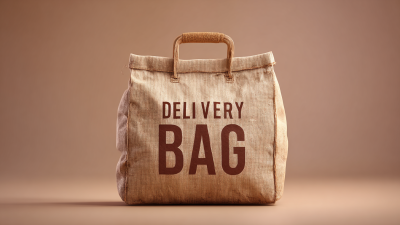

Choosing the right Delivery Bag is more complex than selecting the largest insulated container. It affects food temperature, rider comfort, order stability, cleaning routines, and customer satisfaction. A bag that looks professional may still fail during a rainy, crowded evening. Small details matter.
Food-delivery equipment consultant Martin Hayes explains, “A good delivery bag protects the meal without making the courier fight the equipment.” That principle deserves attention. The best design should balance insulation, structure, weight, access, and durability. It should keep a soup container upright when a bicycle turns sharply. It should also open smoothly when a courier carries several orders at once.
This guide presents 10 practical tips for choosing a reliable Delivery Bag. We will examine insulation materials, internal capacity, waterproof fabric, reflective details, closures, straps, and cleaning access. Real working conditions matter more than showroom appearance. A bag may perform well in a test kitchen but become uncomfortable after six hours on the road. That weakness is easy to overlook.
There is no perfect choice. A larger model can carry more meals, yet it may become heavy and awkward. A lightweight bag may feel convenient, but its walls could collapse under pressure. Cost also requires careful thought. The cheapest option may create replacement expenses later. Still, expensive does not always mean better.
Good judgment comes from matching the bag to actual delivery routes, meal types, weather, and daily workload. These tips will help buyers ask better questions before committing. One detail may change everything.
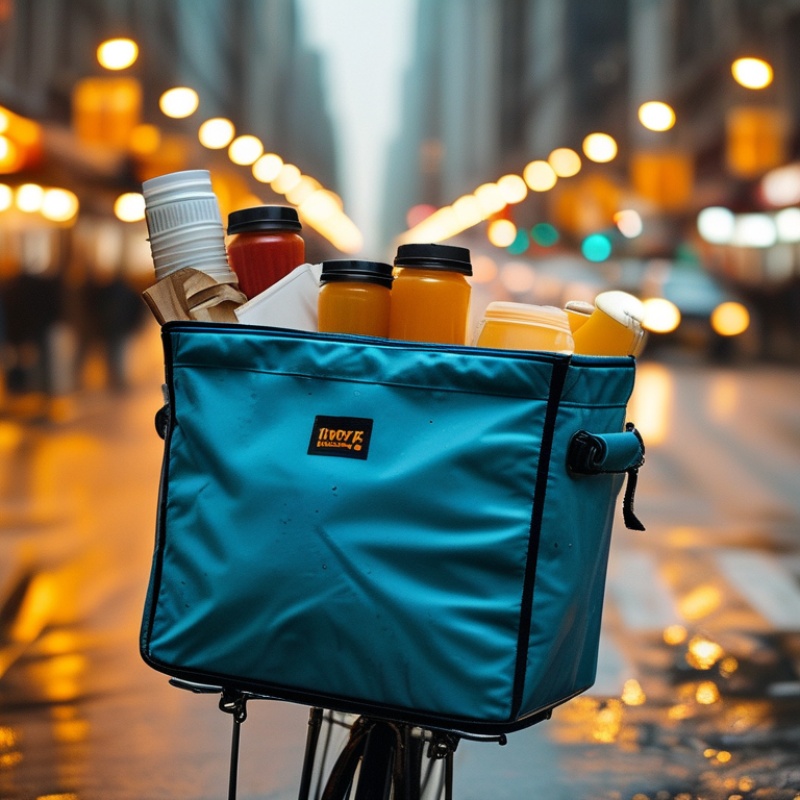
Choosing a delivery bag starts with the route, not the logo. Map your average distance, travel time, vehicle type, weather, and handoff process. A short bicycle route needs different insulation than a two-hour vehicle route. Measure actual orders, not ideal ones. A bag that fits one large meal may fail during peak hours.
Food safety should guide the specifications. The FDA Food Code 2022 recommends cold holding at 41°F (5°C) or below, and hot holding at 135°F (57°C) or above. The USDA also advises keeping perishable food at 40°F or below and limiting room-temperature exposure to two hours. Choose a bag with strong insulation, a firm base, and enough internal structure to prevent containers from tipping. Add a calibrated thermometer when temperature control matters. Small details matter.
Capacity must match your busiest realistic load. The National Restaurant Association’s 2024 State of the Restaurant Industry Report projected U.S. restaurant sales above $1 trillion, reflecting intense demand for efficient off-premises service. Still, bigger is not always better. Extra space can allow heat to escape faster. I would test several loads during rain, traffic, and peak demand. Some designs look excellent in a showroom. They may disappoint on a wet sidewalk. Review cleaning time, zipper durability, carrying comfort, and replacement cost before making the final choice.
Compare Insulation, Capacity, and Food Protection
Tip 1: Check the insulation thickness and stitching. A reflective inner layer can reduce heat loss during short trips.
Tip 2: Test the zipper for gaps. Warm air escapes quickly through loose openings.
Tip 3: Choose insulation that covers the base, sides, and lid. My first delivery bag protected the top well but failed underneath.
Tip 4: Measure your usual containers before buying. Capacity should fit meals without crushing them.
Tip 5: Look for adjustable dividers. They can separate soup, drinks, and fragile dishes.
Tip 6: Avoid choosing the largest size automatically. Empty space allows containers to slide.
Tip 7: Check the bag’s weight when empty. A heavy bag becomes tiring after several deliveries.
Tip 8: Select a leak-resistant lining with sealed seams. A spill should stay inside the compartment.
Tip 9: Use a firm base to keep containers level. This helps protect sauces and layered foods.
Tip 10: Inspect the handles and shoulder strap closely. Reinforced stitching matters when the bag carries several kilograms.
I also prefer wide openings for quicker loading, though they may reduce insulation slightly. That trade-off deserves honest testing. Place a warm container inside, close the bag, and check its temperature after thirty minutes. Try the same test with cold food and a small ice pack.,
A delivery bag should protect food from heat loss, rain, and rough handling. Material choice determines much of that performance. Food-grade, water-resistant fabric is preferable to ordinary canvas, especially when deliveries cross wet sidewalks. Closed-cell foam usually resists moisture better than absorbent insulation. However, thicker insulation is not automatically better. Poor seams can leak heat and rain.
The 2022 FDA Food Code requires hot food to remain at 135°F or above during holding. A bag cannot replace safe temperature control, but strong insulation can slow temperature loss. The 2024 State of the Restaurant Industry Report also indicates that off-premises dining remains a major customer habit. This increases pressure on bags during repeated daily use. Choose reinforced stitching, smooth interior surfaces, sturdy zippers, and a base that does not collapse under stacked containers.
Test the bag before buying. Place sealed hot-water containers inside, then check the temperature after thirty minutes. Inspect the corners after simulated loading. Spray the exterior and examine the lining for seepage. A thermal camera would improve testing, but most small operators will not have one. That limitation matters. Weather resistance is often advertised broadly, while zipper gaps and exposed seams remain weak points. NOAA climate data also shows heavier precipitation trends in many regions, making rain protection more than a cosmetic feature.
10 Tips for Choosing the Best Delivery Bag
A good delivery bag should feel balanced before it feels spacious. Check padded shoulder straps, a breathable back panel, and adjustable chest support. Test it loaded. Use water bottles or books to imitate a real order. The weight should stay close to your body, not pull your shoulders backward. Walk, turn, and climb stairs while wearing it. A narrow shape often improves mobility in crowded entrances. However, an overly narrow bag may crush larger containers. That trade-off deserves attention.
Look for a firm base that remains stable when placed on the ground. A waterproof lining helps protect meals from light rain and accidental spills. Strong zippers, wide openings, and easy-clean fabric reduce daily frustration. Separate compartments can keep drinks upright and hot items away from delicate food. A secure phone pocket is useful, but it should remain reachable without removing the bag. Reflective details may improve visibility during low-light travel. Avoid decorative features that add weight without serving a clear purpose.
I once preferred maximum capacity and ignored comfort. After several hours, the bag felt heavier than expected. That choice taught me to measure real carrying time, not just storage volume. Check the empty weight, stitching, handle strength, and strap adjustment range. Try the bag with different clothing layers. Some designs fit well in a shop but become awkward on the street. A small amount of flexibility is valuable. Still, too much movement can damage fragile orders. Practical testing usually reveals what product descriptions miss.
Check Comfort, Mobility, and Practical Features Before You Buy
| No. | Selection Tip | What to Check | Useful Data or Benchmark | Why It Matters | Practical Test | Priority |
|---|---|---|---|---|---|---|
| 1 | Choose the right capacity | Match the internal space to the typical order size and container shape. | A compact bag of approximately 20–30 L suits smaller orders; 35–50 L is more suitable for larger multi-container deliveries. | A correctly sized bag helps reduce movement, crushed packaging, and wasted carrying space. | Place the largest commonly used food container inside and check that it remains level without excessive empty space. | Essential |
| 2 | Prioritize insulation | Look for thick thermal walls, a reflective lining, and a secure closure. | Insulated bags slow temperature change, but they do not replace safe food handling or temperature control procedures. | Better insulation helps preserve food quality during the time between pickup and handoff. | Check for continuous insulation around the base, lid, sidewalls, and seams; gaps can create cold or hot spots. | Essential |
| 3 | Evaluate carrying comfort | Inspect shoulder straps, handles, padding, adjustability, and weight distribution. | Padded, adjustable shoulder straps should allow the bag to sit close to the torso without restricting movement. | Good ergonomics can reduce shoulder and back strain during repeated deliveries. | Load the bag with a realistic weight and carry it for several minutes using both the handles and shoulder strap. | Essential |
| 4 | Check mobility options | Consider backpack straps, a hand-carry handle, and compatibility with a bicycle, scooter, or vehicle. | Multiple carrying methods allow the user to change posture and adapt to different delivery routes. | Flexible mobility is useful on stairs, sidewalks, public transport, and short vehicle-to-door trips. | Test whether the bag stays stable while walking, turning, bending, and mounting or dismounting a bicycle. | High |
| 5 | Look for a stable base | Check for a rigid bottom panel, reinforced corners, and resistance to tipping. | A flat, reinforced base helps keep containers upright and distributes the load across the bag. | Stability reduces spills and protects meals from sliding during transport. | Put several filled containers inside and gently tilt the bag in different directions to observe movement. | Essential |
| 6 | Inspect the closure system | Compare zippers, hook-and-loop fasteners, buckles, and roll-top closures. | The opening should close completely and remain secure during carrying, while still being easy to operate with one hand. | A reliable closure helps retain insulation and prevents contents from falling out. | Open and close the bag repeatedly while wearing gloves or carrying a phone to simulate real delivery conditions. | High |
| 7 | Select easy-clean materials | Look for a smooth, wipeable interior and exterior with sealed or protected seams. | Water-resistant fabric helps manage light rain and spills, but it is not necessarily waterproof or leakproof. | Easy-clean surfaces support hygiene and reduce odor buildup between deliveries. | Wipe the interior with a damp cloth and check whether food residue can collect in corners, seams, or folds. | Essential |
| 8 | Consider visibility and safety | Check for reflective panels, high-visibility details, and a shape that does not block the user’s view. | Reflective details can improve visibility in low-light conditions, but they do not replace lights or protective equipment. | Improved visibility is valuable for roadside, evening, and poor-weather deliveries. | View the bag from the front, side, and rear in dim light to see whether reflective areas are clearly noticeable. | High |
| 9 | Review practical storage features | Assess exterior pockets, document compartments, phone storage, and space for keys or small accessories. | Separate pockets should be positioned so essential items remain accessible without opening the insulated compartment. | Organized storage reduces search time and helps prevent personal items from contacting food packaging. | Place a phone, keys, delivery notes, wallet, and charging cable in the pockets to check access and capacity. | Medium |
| 10 | Check durability and maintenance | Inspect stitching, stress points, zippers, handles, strap attachments, and replacement-part availability. | High-use delivery equipment should tolerate repeated loading, cleaning, folding, and outdoor exposure. | Durable construction can lower replacement frequency and maintain performance over time. | Examine all attachment points and seams, then confirm the care instructions allow regular cleaning and drying. | High |
Important: Capacity, insulation performance, and carrying comfort depend on the bag design, load, weather, route, and handling time. Always follow applicable food-safety procedures and local transport requirements.
10 Tips for Choosing the Best Delivery Bag
A reliable delivery bag should protect its contents, the rider, and nearby road users. Check the insulation before comparing colors or storage capacity. Thick, even padding helps reduce temperature changes during short trips. A firm base prevents containers from tipping at corners. Reflective panels and secure closures improve visibility and reduce accidental spills. Choose adjustable straps that keep the bag close to your back or vehicle. Poor weight distribution becomes painful after several hours.
Maintenance affects safety more than many buyers expect. Select a bag with a smooth, wipeable liner and reinforced seams. Look for removable inserts, because crumbs and moisture collect in hidden folds. Dry the bag fully after cleaning. Otherwise, unpleasant odors and material damage may develop. Inspect zippers, stitching, handles, and insulation every week. I once ignored a loose seam for too long, and a minor repair became inconvenient. That experience changed my inspection routine.
Cost should include repairs, cleaning supplies, replacement parts, and expected service life. A cheap bag may become expensive if its lining cracks within months. Compare usable capacity, not just advertised volume. A practical design should fit common containers without crushing delicate items. Check whether the bag remains stable when partly filled. Manufacturer test data can help, but real handling matters too. Carry it briefly, open the compartments, and test the closures. The best value combines safety, comfort, durability, and manageable maintenance. Overspending is not always wiser.
A practical 100-point evaluation model covering safety, maintenance, cost, and overall value.
Safety and temperature control receive the highest weight because a delivery bag must protect food during transport. Capacity, durability, cleaning, and water resistance support daily operation, while purchase cost and long-term value help control ownership expenses. Use this weighting as a checklist when comparing bags from different suppliers.