Essential Tips for Choosing Large Shipping Bags for Your Business?
In the rapidly evolving world of e-commerce, selecting the right shipping materials is crucial. Large shipping bags have gained popularity among businesses due to their versatility and efficiency. According to a recent report by Smithers Pira, the global market for shipping bags is expected to reach $7 billion by 2025, emphasizing the growing demand for robust packaging solutions.
When choosing large shipping bags, several factors come into play, including material durability and environmental impact. Research indicates that over 50% of consumers are concerned about packaging waste. Thus, opting for eco-friendly large shipping bags can enhance your brand's image while meeting customer expectations. It’s essential to weigh the cost against quality to ensure that you are not sacrificing one for the other.
Many companies report challenges in finding the perfect shipping bag that aligns with their needs. This can lead to delays and increased shipping costs. Businesses must thoroughly evaluate their requirements, considering bag size, content protection, and customer satisfaction. Reflecting on these factors can guide you in selecting the most suitable large shipping bags for your operational needs.
Understanding the Different Types of Large Shipping Bags Available
When selecting large shipping bags, understanding the different types is crucial. Poly bags are popular choices due to their durability and flexibility. They often come in various thicknesses, with a recommended minimum of 2 mils for heavier items. A report from the Flexible Packaging Association shows that nearly 82% of businesses prefer poly bags for lightweight shipping.
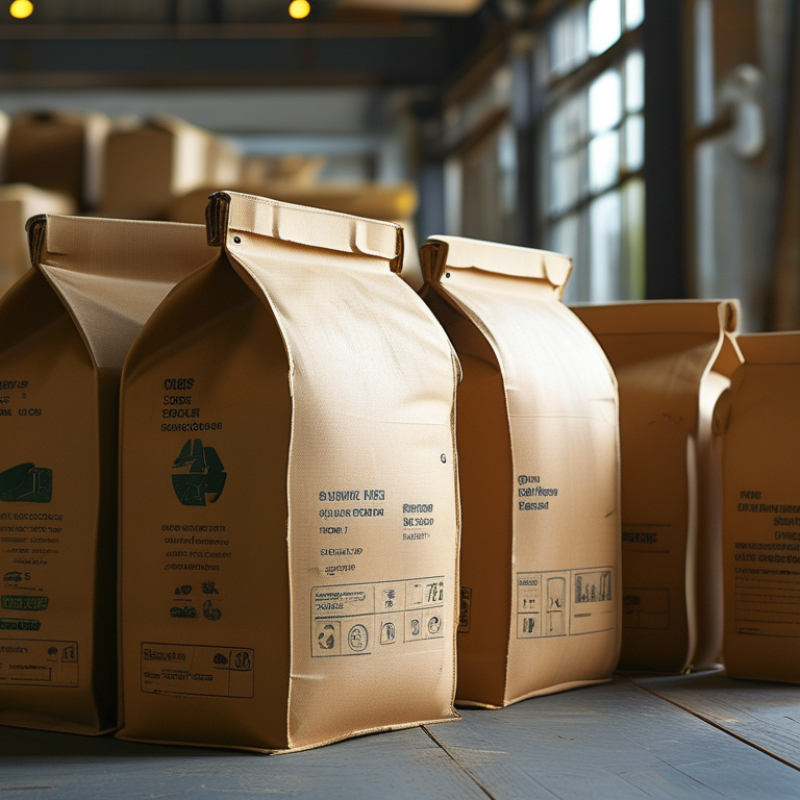
Another option is paper mailing bags, which offer a more sustainable choice. They are often biodegradable and recyclable, aligning with eco-conscious business practices. A study highlighted that 54% of consumers favor eco-friendly packaging. However, paper bags may not provide the same moisture protection as plastic counterparts.
Considerations extend beyond materials. The size should match the items precisely to improve efficiency. Oversized bags waste resources and lead to higher shipping costs. Research indicates that 47% of returns are due to packaging issues, emphasizing the importance of the right fit. Ensuring the accuracy of bag dimensions can significantly enhance customer satisfaction, reducing unwanted returns.
Factors to Consider When Selecting Large Shipping Bags for Shipping Needs
When selecting large shipping bags for your business, various factors are vital. The material of the bags is crucial. For instance, polyethylene bags offer durability against tears and punctures. According to the Flexible Packaging Association, about 60% of businesses prefer this material for its strength and flexibility. These attributes are essential for secure transport.
Size also plays a significant role in choosing shipping bags. A bag that is too large can lead to increased shipping costs. Conversely, a bag that is too small risks damaging the product. The right size balances cost and protection effectively. A report from Packaging Digest indicates that optimizing bag size can reduce shipping costs by 20%.
Additionally, consider the environmental impact. Many businesses are shifting to biodegradable options due to increased consumer demand for sustainability. While these bags are typically more costly, they can enhance brand reputation. Plastic pollution is a pressing issue, and choosing eco-friendly materials can demonstrate responsibility. Remember, your shipping choices reflect your brand’s values.
Essential Tips for Choosing Large Shipping Bags for Your Business
| Dimension (inches) |
Material Type |
Weight Capacity |
Water Resistance |
Eco-Friendly Option |
Price (USD) |
| 24 x 36 |
Polyethylene |
50 lbs |
Yes |
No |
$0.30 |
| 30 x 40 |
Poly Mailer |
70 lbs |
Yes |
Yes |
$0.45 |
| 36 x 48 |
Kraft Paper |
60 lbs |
No |
Yes |
$0.50 |
| 48 x 60 |
Biodegradable |
80 lbs |
Yes |
Yes |
$0.60 |
Evaluating the Material Quality of Large Shipping Bags for Durability
When selecting large shipping bags, material quality is paramount for durability. Various materials offer different benefits. Polyethylene bags are lightweight yet strong, with a resistance to moisture. According to industry reports, polyethylene can handle up to 80 pounds without tearing. This makes it a popular choice for shipping various items.
Another material to consider is polypropylene. It is known for its superior tensile strength. Research shows that polypropylene bags can withstand extreme temperatures, making them ideal for diverse shipping conditions. Additionally, they are often recyclable, which is a plus for environmentally conscious businesses.
Yet, there are challenges in choosing the right material. Some businesses may prioritize cost over quality, leading to higher damage rates during transit. According to a survey, 30% of companies reported increased losses due to using inferior shipping materials. Investing in high-quality materials can reduce these risks and improve customer satisfaction. Striking a balance between cost and durability is crucial for long-term success.
Cost Comparison: Budgeting for Large Shipping Bags in Your Business
When considering large shipping bags for your business, budgeting is crucial. Industry reports suggest that shipping costs can account for 10-30% of total expenditures. Therefore, selecting the right shipping bags can significantly impact your bottom line.
Understanding the cost structure helps businesses make informed choices. For instance, quality bags can reduce returns and damage claims. Investing in durable materials may seem expensive initially, but it can save money over time. A study indicated that businesses using stronger bags reduced breakage rates by 15%.
It’s essential to evaluate your shipping volume and the materials required. Plastic bags tend to be more affordable, but they may offer less protection. Conversely, eco-friendly bags might have a higher upfront cost. Calculating long-term savings alongside your environmental goals is vital.
Consider these factors before you order. Analyze your shipping needs carefully. Don’t overlook the cost-effectiveness of bulk purchasing. Explore different suppliers to find the best deals. Remember, investing wisely in shipping bags reflects your commitment to quality and customer satisfaction.
Best Practices for Properly Storing and Using Large Shipping Bags
When selecting large shipping bags, proper storage and usage are crucial for any business. According to a report from the International Packaging Association, improper storage can lead to a 25% increase in material degradation, affecting bag durability. Store large shipping bags in a cool, dry place to maintain their quality. Avoid exposing them to direct sunlight, which can weaken the material over time. It is also essential to keep bags away from moisture to prevent mold or mildew, which can compromise their integrity.
Using large shipping bags correctly enhances efficiency and reduces costs. When packing, ensure each bag is adequately filled without overstuffing. Overfilled bags are prone to ripping. A study by the Association of Plastic Recyclers suggests that using bags with the right size and strength can minimize waste. Additionally, regularly review your storage area for any damaged bags. An overlooked tear could lead to shipping failures. Keeping an organized inventory can help identify issues early. Adopting these practices not only boosts operational reliability but also raises customer satisfaction by ensuring products reach their destination safely.