How to Choose the Right Shipping Bag for Your Business?
Choosing the right shipping bag is crucial for any business. The shipping bag you select impacts delivery speed, cost, and customer satisfaction. A well-chosen bag can enhance your brand’s reputation. It can also reduce returns and increase repeat purchases.
Consider the purpose of your shipping bags. Are you shipping fragile items? Ensure your bags provide enough padding. For clothing, lightweight and waterproof options are ideal. Think about the environment. Eco-friendly bags can appeal to conscious consumers.
Reflect on your budget and volume. Investing in quality shipping bags may seem costly at first. However, poor choices can lead to damaged goods and unhappy customers, costing more in the long run. A thoughtful approach to selecting your shipping bag can set your business apart from competitors.
Understanding Different Types of Shipping Bags Available in the Market
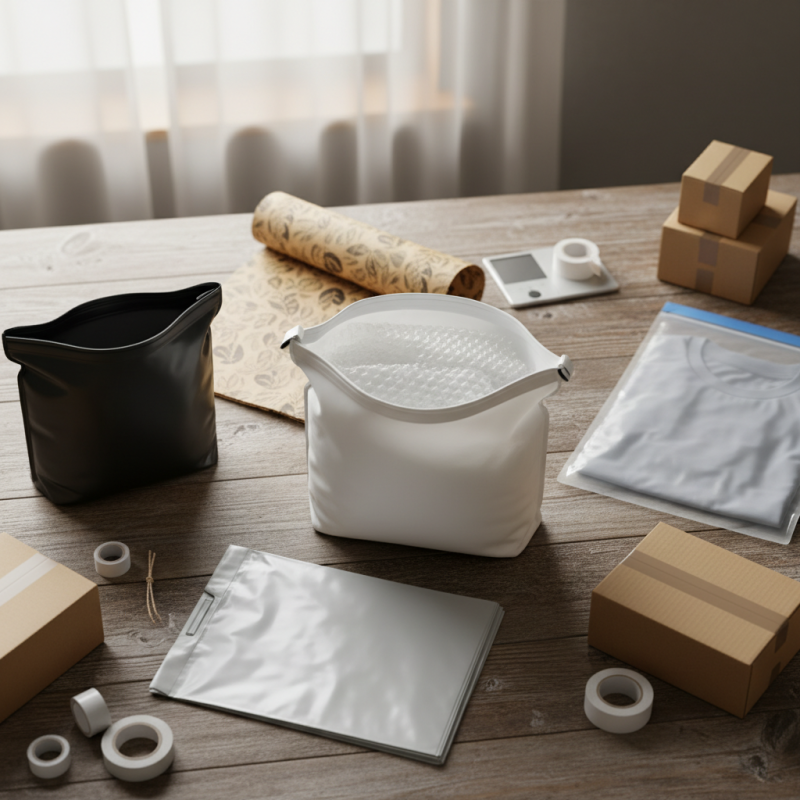
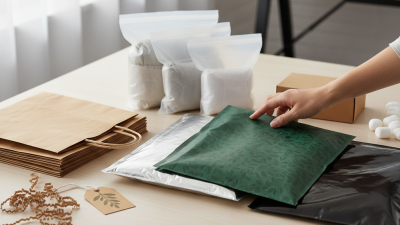
When it comes to shipping bags, understanding the options is vital for your business. There are several types available on the market. Poly mailers are popular for their lightweight and weather-resistant qualities. These bags often come in various sizes, making them versatile for different products. They can help reduce shipping costs. However, they may not be ideal for fragile items.
Another option is paper mailers. These offer a more eco-friendly choice. They are sturdy and perfect for items that need extra protection. Yet, paper bags can be less waterproof, which is something to consider. If your business ships overseas, consider what materials can withstand different weather conditions.
Tips: Always test shipping bags before making a bulk purchase. This ensures they meet your needs. Also, consider your brand's image. Custom designs can enhance your packaging. Remember, the right choice reflects your business values. Evaluate your options carefully; the wrong bag could lead to damaged products.
How to Choose the Right Shipping Bag for Your Business?
| Bag Type |
Material |
Weight Capacity |
Size Options |
Cost (per unit) |
| Poly Mailers |
Polyethylene |
Up to 5 lbs |
6" x 10" to 24" x 36" |
$0.15 - $0.50 |
| Kraft Paper Bags |
Kraft Paper |
Up to 10 lbs |
8" x 4" x 10" to 18" x 12" x 6" |
$0.20 - $0.70 |
| Bubble Mailers |
Polyethylene |
Up to 3 lbs |
4" x 8" to 14.5" x 19" |
$0.30 - $0.75 |
| Padded Mailers |
Recycled Paper & Bubble Wrap |
Up to 7 lbs |
6" x 10" to 12" x 15.5" |
$0.50 - $1.00 |
| Recyclable Bags |
Biodegradable Plastic |
Up to 5 lbs |
10" x 12" to 20" x 30" |
$0.25 - $0.80 |
Evaluating the Size and Dimensions for Your Shipping Needs
When selecting the right shipping bags, size and dimensions are crucial. Many businesses fail to evaluate their shipping needs thoroughly. According to industry research, around 30% of returned shipments are due to poor sizing. An ill-fitting bag can lead to damaged products, resulting in loss and unhappy customers.
Consider the types of products you plan to ship. Fragile items require a snug fit to prevent movement. Bulkier items may need more space but should not be overly loose. A bag that is too large can cause items to shift, creating risks during transit. Data from logistics studies indicates that 25% of businesses report higher costs due to inefficient packaging decisions.
Also, understand your shipping process. Different couriers have size limits and shape preferences. If a bag is larger than necessary, it may incur extra fees. Analyze your shipping frequency and order volume to find a balance. Most importantly, take time to measure each item accurately. Reflections on your fitting choices can lead to better practices and improved client satisfaction in the long run.
Shipping Bag Size Comparison for E-commerce Businesses
Selecting the Right Material for Durability and Protection
Choosing the right material for shipping bags is crucial for any business. The material you select should provide excellent durability and adequate protection for your products. Common materials include polyethylene, cardboard, and paper. Each has its benefits and drawbacks. For example, polyethylene is waterproof, which is excellent for items that may get wet. However, it may lack sturdiness compared to cardboard.
Consider the nature of your items. Fragile goods require extra cushioning. Bubble mailers or padded bags can offer that much-needed protection. If you ship heavier items, you may want to reflect on the strength of cardboard boxes. They provide solid protection but can be bulkier. Sometimes, businesses focus too much on convenience and overlook the impact of packaging on product safety.
It's essential to balance cost and quality. Cheaper materials could save money initially but may result in damages, leading to dissatisfied customers. They might return products, increasing costs in the long run. Reflecting on this process helps in identifying the right materials for your business needs. The goal is to ensure your products arrive safe and sound while keeping a keen eye on budget and environmental impact.
Understanding Shipping Costs and Budget Considerations
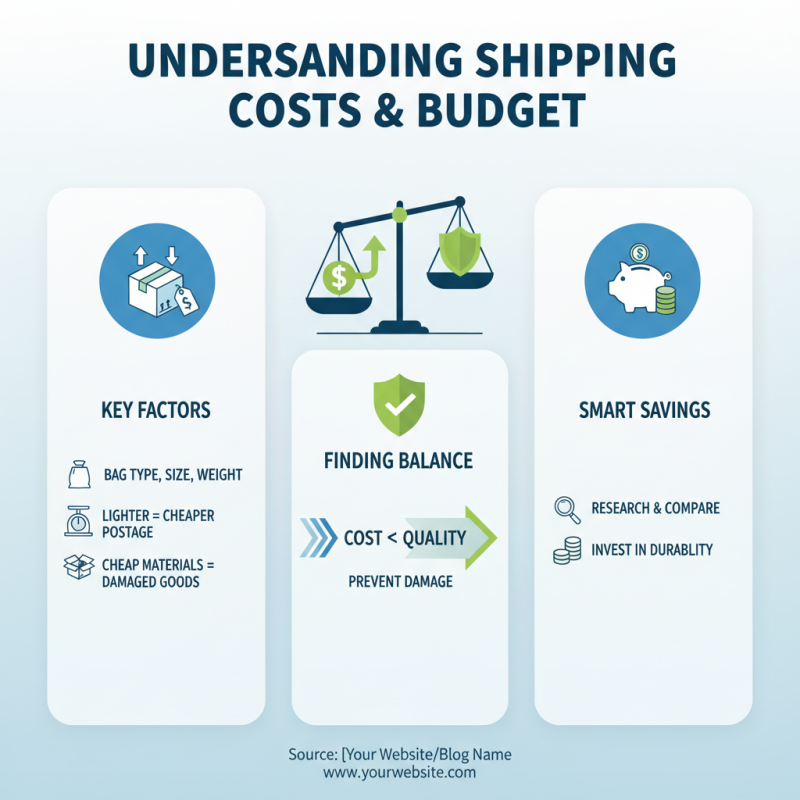
When selecting the right shipping bag for your business, understanding shipping costs is crucial. Shipping costs can vary based on bag type, size, and weight. Lightweight bags often save money on postage. However, remember that cheap materials can lead to damaged goods. A balance between cost and quality is essential.
Consider your budget carefully. It can be tempting to choose the least expensive option. Yet, consider the potential impact on customer satisfaction. A torn bag can lead to returns, and unhappy customers might not order again. Factor in your branding too. Customized bags may cost more but can enhance your brand's image.
Think about volume. High shipping volumes can lead to bulk discounts. This can significantly lower costs. However, if demand fluctuates, large purchases may waste funds. Rethink your choices regularly. The right shipping bag should meet needs and budget constraints over time. Evaluate your decisions and adjust as necessary.
Tips for Customizing Shipping Bags for Brand Identity
Customizing shipping bags can significantly enhance your brand identity. According to a recent survey by Packaging Strategies, 72% of consumers prefer shopping from brands that use sustainable packaging. This trend reflects a growing demand for eco-friendly materials. Businesses should consider these factors when selecting bag materials. Recyclable options not only appeal to eco-conscious consumers but also improve brand perception.
Design is another critical aspect. Custom printing on shipping bags allows businesses to showcase their logo and messaging. A study by the Paper and Packaging Board reveals that 40% of consumers remember brands better when they see creative packaging. Unique designs can catch attention and make a lasting impression. Consider bold colors and interesting textures to stand out in a crowded market.
However, quality should not be compromised for aesthetics. Weak or flimsy bags can lead to damaged products. A report from the Institute of Packaging Professionals highlights that 70% of customers opt not to reorder if their product arrives in poor packaging. Finding a balance between visual appeal and functional integrity is essential. Brands need to reflect on how their shipping bags represent their values and mission.