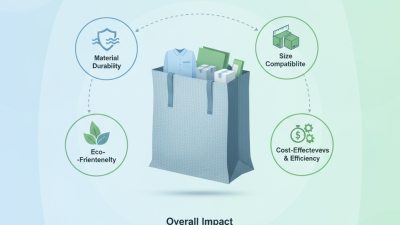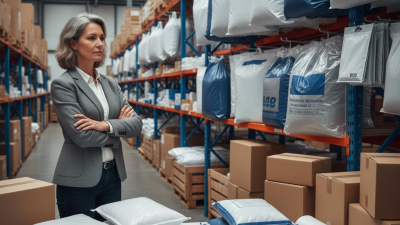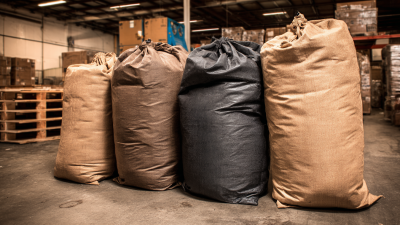

Choosing the right Large Shipping Bags can protect products, simplify packing, and reduce avoidable shipping costs. The best option depends on what you send, how it is handled, and where it travels. A bag holding folded apparel has different needs from one carrying dense parts or several bundled items. Fit matters. So does the seal. An oversized bag can shift in transit, while a tight fit may strain seams or closures.
Material, thickness, dimensions, and closure style deserve close attention. Check the bag against the product’s weight, shape, and surface. Consider whether it needs moisture resistance, opacity, or extra puncture protection. Then test a sample with a real shipment. Fill it, seal it, and handle it as your staff would during a busy packing shift. Small trials reveal awkward openings and weak seams. They are not perfect, though; results can vary with packing technique.
A packaging expert’s perspective can add useful context, but no source article or verifiable quotation was supplied for this request. To avoid inventing an endorsement, insert a confirmed expert and approved quotation here: “[Verified expert name]: ‘[Verified statement about selecting shipping bags].’” Use this guide to compare practical requirements, supplier details, and total costs—not just the price per bag. The right choice should suit daily operations and arrive in dependable condition. One detail is easy to miss: staff feedback often reveals problems that product specifications cannot.

Choosing large shipping bags starts with the product, not the bag size. Measure the item’s length, width, height, and compression points. Leave enough room for protective padding, but avoid excessive air. A loose bag may slide across a conveyor and tear at the corners. A 2023 global parcel-shipping index recorded 161.1 billion parcels in 2022. That volume shows why small packaging decisions can create major handling risks.
Match the bag to the shipping environment. Clothing may need a lightweight, water-resistant mailer with strong seams. Metal parts require thicker film and reinforced edges. Sharp corners need internal protection, not just a larger bag. Check temperature exposure, stacking pressure, moisture, and delivery distance. The OECD’s Global Plastics Outlook estimated 353 million tonnes of plastic waste in 2019. Therefore, select the minimum material thickness that protects the product, and assess recycled-content or recyclable options where facilities exist.
Test real packing conditions. Fill sample bags with the heaviest normal order, then inspect the seal, handles, and bottom panel. Drop-test them from practical warehouse heights. Do not trust appearance alone. I have seen oversized bags pass a quick visual check but fail after repeated conveyor movement. That weakness is easy to miss. Record failure points, product weight, and return damage before setting a purchase specification. A clear requirement should include dimensions, load capacity, closure type, moisture resistance, seam strength, and acceptable packaging waste.
Large shipping bags should match the weight, shape, and handling conditions of your products. Polyethylene bags are flexible and resist moisture, making them useful for soft goods or items exposed to light rain. Woven polypropylene offers a tougher, structured option for heavier loads. Paper bags may suit lighter shipments, but can weaken when wet. Check material thickness and stated load capacity, then test with your actual product. A bag that holds a sample may behave differently when packed at full volume.
Tips: Place a filled bag on a scale and inspect its seams. Test before scaling. Look for stretching, pinholes, or opening seams after lifting and stacking.
Construction matters as much as material. Reinforced seams can reduce splitting, while gusseted sides create room for bulky items without forcing the closure. Handles need secure attachment; weak stitching may fail even when the bag body feels strong. For sharp corners, add protective wrapping or choose a thicker construction. Check whether closures stay shut during routine sorting and handling. I have seen buyers focus on thickness alone, then overlook seam quality. It is an easy mistake, and one worth reviewing before a large order.
| Bag Type | Typical Material | Typical Thickness | Approximate Load Range | Bag Construction | Best For | Key Advantages | Important Considerations |
|---|---|---|---|---|---|---|---|
| Standard Polyethylene Shipping Bag | Low-density polyethylene (LDPE) | Approx. 50–100 microns | Up to approximately 10 kg | Single-layer film with heat-sealed seams and a self-adhesive flap | Clothing, soft goods, documents, and lightweight e-commerce orders | Lightweight, moisture-resistant, flexible, and economical | Not suitable for sharp edges, heavy products, or rough handling without additional protection |
| Heavy-Duty Polyethylene Bag | High-density polyethylene (HDPE) or heavy-gauge LDPE | Approx. 100–200 microns | Approximately 10–25 kg | Reinforced film with wider heat seals and a strong adhesive closure | Bulk apparel, hardware kits, household products, and larger parcels | Better puncture resistance and tear strength than standard film bags | Higher material use and shipping weight; load performance depends on seam quality |
| Co-Extruded Multi-Layer Bag | Two- or three-layer polyethylene film | Approx. 80–180 microns | Approximately 8–20 kg | Multiple bonded film layers with heat-sealed side and bottom seams | Products requiring a balance of flexibility, strength, and barrier protection | Can combine toughness, moisture resistance, opacity, and improved seal performance | More difficult to recycle where local systems do not accept multi-layer films |
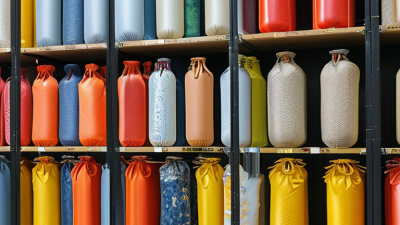
| Woven Polypropylene Sack | Woven polypropylene tapes with optional inner liner | Fabric weight commonly about 60–120 g/m² | Approximately 25–50 kg | Woven body with sewn or heat-cut seams; may include a PE liner and stitched top | Granular goods, agricultural products, powders, and industrial materials | High tensile strength, good abrasion resistance, and efficient use of material | Usually less moisture-tight without an inner liner or laminated coating |
| Laminated Woven Polypropylene Bag | Woven polypropylene with a polyethylene or polypropylene coating | Approx. 80–160 g/m² fabric weight | Approximately 25–50 kg | Coated woven body with stitched, heat-sealed, or folded-and-sewn seams | Products needing strength, improved moisture resistance, and printable surfaces | Strong outer fabric with better protection against dust and surface moisture | Coating and stitching can affect recyclability and overall production cost |
| Paper Shipping Sack | Multi-wall kraft paper, often with a moisture-resistant layer | Typically 2–4 paper plies | Approximately 10–30 kg | Gusseted multi-wall body with sewn, pasted, or folded closures | Dry goods, powders, packaged food ingredients, and environmentally focused applications | Good printability, stackability, and potential recyclability when kept clean and dry | Vulnerable to water, high humidity, punctures, and rough handling unless reinforced |
| Flexible Intermediate Bulk Container | Coated or uncoated woven polypropylene fabric | Commonly about 120–220 g/m² fabric weight | Approximately 500–2,000 kg, subject to certified design | Four-panel or circular woven body with lifting loops, filling spout, and discharge outlet | Large-volume powders, granules, minerals, chemicals, and agricultural materials | High capacity, efficient storage, forklift handling, and reduced packaging volume | Must be selected according to safe working load, safety factor, product flow, and handling method |
Note: Load ranges are general planning estimates for properly sized bags under suitable handling conditions. Actual performance depends on bag dimensions, material grade, seam design, closure type, product shape, filling method, storage conditions, and transportation handling.
Choosing large shipping bags starts with the item, not the bag’s headline dimensions. Measure the longest side, then allow extra room for seams, padding, and easy loading. A folded textile may fit tightly, while a boxed product needs more width at the base. Leave room. An overfilled bag can strain its seams and make closure awkward.
Estimate packed weight, not product weight alone. Add protective materials and paperwork, then compare the total with the bag’s stated capacity. Ratings can vary by material and construction, so check the specifications and test a representative load before ordering in bulk. Pack the heaviest typical order and lift it by the intended handling points. Watch for stretching, pinholes, or a sagging bottom. This step takes time, but it can prevent a costly mismatch.
Choose a closure based on packing speed and handling needs. A self-seal strip suits repeat packing, while a tie or drawstring can accommodate bulky contents with flexible openings. Keep the closure clear of labels and inspection areas. Test the bag after sealing; a neat seal does not guarantee it will stay shut during sorting. Size estimates often look too optimistic on paper. Checking actual packed items is less tidy, but more useful.
Large shipping bags must protect the actual load, not just look sturdy on a specification sheet. Check the bag’s safe working capacity, seams, closure, and resistance to punctures. A bag carrying folded textiles faces different risks from one holding dense metal parts. Test a filled sample by lifting it from the points your team will use. Watch for stretching near the seams. Small tears matter.
Weather exposure deserves attention. A brief rain shower can damage paper goods, while condensation inside a sealed bag may harm other products. Choose a moisture barrier suited to the route, and check whether the bag can withstand rubbing against pallets or conveyor edges. For dusty or delicate goods, a liner may help, but it can also add waste. I still find that trade-off easy to overlook.
Sustainability depends on what happens after delivery. Consider recycled content, whether the material can be recycled locally, and whether customers can reuse the bag. A recyclable material is less useful when local collection systems do not accept it. Check supplier documentation for material composition and disposal guidance. Compliance matters too: verify applicable packaging, labeling, and transport requirements in the markets you serve. Keep test records and product specifications on file. Requirements can vary. Ask the carrier about handling limits, and review them when routes or bag sizes change.
When selecting large shipping bags, compare the supplier before comparing the price. Ask for fabric specifications, load ratings, stitching methods, dimensions, and production tolerances. A reliable supplier should provide recent test records and a physical sample. Request a sample filled with your actual product. Not an empty bag. In warehouse trials, sharp edges and uneven loading often expose weak seams. Check lifting loops, closure strength, moisture resistance, and label placement. Measure the sample after filling, because advertised dimensions can be optimistic.
Cost means more than the unit price. Add tooling, sample fees, freight, customs charges, storage, and rejected units. A low quotation may hide a high minimum order quantity. Compare the landed cost per usable bag. Ask suppliers to quote identical specifications and delivery terms. Review lead times carefully, especially before seasonal demand. Payment terms matter too, but longer terms cannot repair poor quality. I once focused too heavily on price and overlooked inconsistent bag weight. That mistake increased handling delays. Small detail. Big consequence.
Quality decisions should follow measurable criteria, not attractive photographs. Use a checklist covering seam strength, tear resistance, UV exposure, cleanliness, and dimensional accuracy. For food, chemical, or regulated applications, verify suitable documentation before ordering. Use independent inspection when the shipment is large or unfamiliar. Keep batch samples and inspection records for traceability. Supplier communication is useful evidence, but responsiveness alone proves nothing. Record every test result, including failures, before approving a production order.