Best Reusable Bags for Eco-Friendly Shopping Choices?
As we navigate an increasingly eco-conscious world, the choice of shopping bags significantly impacts our environment. A staggering 1 trillion single-use plastic bags are used worldwide each year, contributing to pollution and harming wildlife. In contrast, reusable bags present a sustainable alternative that consumers are encouraged to adopt. According to the Environmental Protection Agency (EPA), using a reusable bag can reduce the carbon footprint associated with plastic bag production and waste.
Many brands now offer a variety of reusable bags designed to suit different shopping needs. Recent studies indicate that using reusable bags can save households an average of $100 annually by reducing the frequency of purchasing disposable bags. However, it's important to remember that simply choosing reusable bags isn't enough; proper usage and maintenance are critical for maximizing their environmental benefits.
Despite the positive trends, challenges remain in promoting widespread adoption. Some consumers still overlook the importance of bringing reusable bags when shopping. This inconsistency in usage highlights a gap in education about their benefits. Addressing these issues will ensure that reusable bags become a norm in eco-friendly shopping practices.

Best Reusable Bags: An Overview of Eco-Friendly Shopping Options
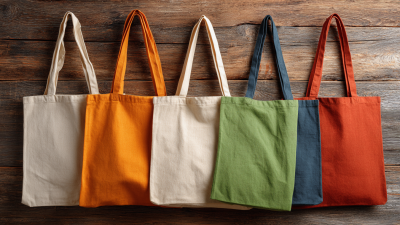
When it comes to eco-friendly shopping, the right reusable bag can make a difference. Many materials are used to make these bags, like cotton, jute, or recycled plastic. Each option has its benefits and drawbacks. Cotton bags are durable but can have a high environmental impact if not sourced sustainably. Jute is biodegradable but may not be as resistant to wear and tear. Recycled plastic bags are robust but raise questions about their recyclability after use.
Shopping with reusable bags not only reduces plastic waste but also encourages mindful purchasing. However, people often forget to bring their bags, leading to more single-use plastic purchases. It is essential to establish a habit of carrying bags consistently. Some bags fold into small pouches, making them convenient to carry. This can help mitigate the issue of forgetting bags at home.
While choosing a bag, consider its lifespan and your usage habits. A bag that lasts longer is more sustainable. High-quality materials tend to hold up well over time. But, it’s worth reflecting on how often you truly utilize these bags. The environmental impact can diminish if they sit unused in your closet. By consciously selecting and using reusable bags, shoppers can enhance their eco-friendly choices.
Environmental Impact of Single-Use Plastics vs. Reusable Bags
The environmental impact of single-use plastics is staggering. Each year, millions of tons of plastic end up in oceans and landfills, harming wildlife.
Marine life ingests plastic, leading to injury and death. Birds often mistake plastic for food, which can be fatal. The production of single-use plastics also drains resources and emits greenhouse gases.
On the other hand, reusable bags present a more sustainable choice. They reduce waste, and their production impacts are generally lower over time. However, many people forget to bring them when shopping. This inconsistency can lead to still using single-use options. It’s crucial to establish habits around reusable bags. Even they have an environmental footprint due to manufacturing and transportation.
Still, the shift toward reusable bags is promising. It sparks conversations about sustainability and eco-friendly choices. Engaging your community in recycling and proper waste disposal is necessary. There’s always room for improvement, both personally and collectively.
Making small changes, like embracing reusable options, can profoundly impact our environment.
Top Materials for Reusable Bags: Choosing Sustainable Fabrics
Choosing the right materials for reusable bags is crucial for sustainable shopping.
Cotton, jute, and recycled plastics are popular choices. Each material comes with its own set of ecological benefits.
Cotton bags, for instance, can last for years with proper care.
However, they require significant water and land for cultivation. A study by the Soil Association reveals that producing 1 kilogram of cotton can use up to 10,000 liters of water.
Jute is an excellent alternative due to its low ecological footprint. It grows quickly and needs minimal pesticides.
According to the World Wildlife Fund, jute production contributes to soil health and carbon sequestration.
Still, jute bags may not be as long-lasting as cotton. They can wear out quicker if used for heavy items regularly.
Recycled plastic bags represent a practical option as well. They help reduce plastic waste while offering durability.
Research published in Environmental Science & Technology indicates that a recycled plastic bag has a significantly lower carbon footprint than its virgin counterpart.
However, many concerns persist regarding their end-of-life disposal. Finding a bag that strikes the right balance between longevity and eco-friendliness remains a challenge.
Consumer Preferences: Trends in Eco-Friendly Bag Usage
In recent years, consumer preferences have shifted significantly towards eco-friendly bag usage. This trend reflects greater awareness of environmental issues. Many shoppers now prioritize sustainable materials over single-use plastics. They seek reusable bags made from natural fibers, recycled materials, and sturdy designs. These choices contribute to a reduction in waste.
When choosing reusable bags, consider their size and durability. A bag that can handle heavy groceries is essential. Opt for designs that are easy to fold and store. This feature ensures you're less likely to forget your bags at home. Additionally, some consumers prefer stylish options, blending functionality with aesthetics.
Tips for eco-friendly shopping: Always carry a reusable bag in your car or purse. This habit minimizes the chance of using plastic bags. Remember to wash your reusable bags regularly to maintain hygiene. Reflect on your current shopping habits. Are you consistently using your reusable bags? Small changes in behavior can lead to significant environmental benefits.
Regulations and Incentives: Encouraging Reusable Bag Adoption
The push for reusable bag adoption has gained momentum through regulations and incentives. Many states and cities have implemented bag bans or fees to discourage single-use plastics. Research shows that these measures can effectively reduce plastic waste. A study from the Environmental Protection Agency noted that reusable bag usage can cut down on plastic shopping bags by about 70%.
Incentives for using reusable bags can also be motivating. Some retailers offer discounts or loyalty points for customers who bring their own bags. A report by the National Resources Defense Council indicated that these incentives significantly impact shopping behavior. However, the challenge remains. Not all consumers are willing to change their habits. Education about the environmental benefits is crucial. Although awareness is increasing, many still forget to bring their reusable bags.
Regulations should focus on accessibility as well. Not every community has easy access to affordable reusable options. This can lead to disparities in adoption rates. To bridge this gap, initiatives to provide subsidized reusable bags may be necessary. Ongoing efforts must also emphasize the importance of responsibility in reducing plastic use. It's a conversation that requires constant engagement and innovation from all stakeholders.
Reusable Bags Adoption: Trends and Incentives
This chart illustrates the increasing trend of reusable bag adoption among consumers from the year 2000 to 2023. As regulations and incentives have encouraged consumers to shift toward more eco-friendly shopping options, the percentage of individuals utilizing reusable bags has steadily risen, reaching 75% by 2023.