2026 Best Polymailer Bag Types for Global Buyers?
Global parcel commerce is making the Polymailer Bag a strategic packaging choice, not a minor shipping accessory. Smithers’ The Future of E-Commerce Packaging to 2028 reports continued growth in e-commerce packaging demand, driven by home delivery and cross-border retail. Pitney Bowes also recorded more than 159 billion parcels worldwide in its 2023 Parcel Shipping Index. These figures matter to global buyers. Every gram, seal, label, and returned parcel affects operating cost.
The best 2026 polymailer will depend on the product, route, climate, and recovery system. Recycled-content mailers can reduce virgin plastic use. Co-extruded films can improve tear resistance during rough handling. Compostable options may suit specific collection systems, but they are not automatically better everywhere. Local infrastructure matters. A green label cannot repair a poor disposal process.
Packaging analyst Lisa McTigue Pierce offers a useful principle: “Packaging is a product, not just a container.” That view supports practical evaluation. Buyers should test puncture strength, seal performance, opacity, moisture resistance, printing quality, and carton efficiency. They should also request credible recycled-content documentation and lifecycle evidence. ASTM, ISO, and retailer-specific requirements can guide comparison, but they do not replace real transit trials.
There is no universal winner.
A lightweight mailer may fail against sharp corners. A heavier bag may waste material. A compostable bag may lack suitable industrial facilities. These weaknesses deserve attention, even when they complicate purchasing decisions. This guide compares the leading Polymailer Bag types for global buyers in 2026, balancing protection, cost, customization, recyclability, and practical end-of-life performance.
What Is a Polymailer Bag and Why Does Its Type Matter?
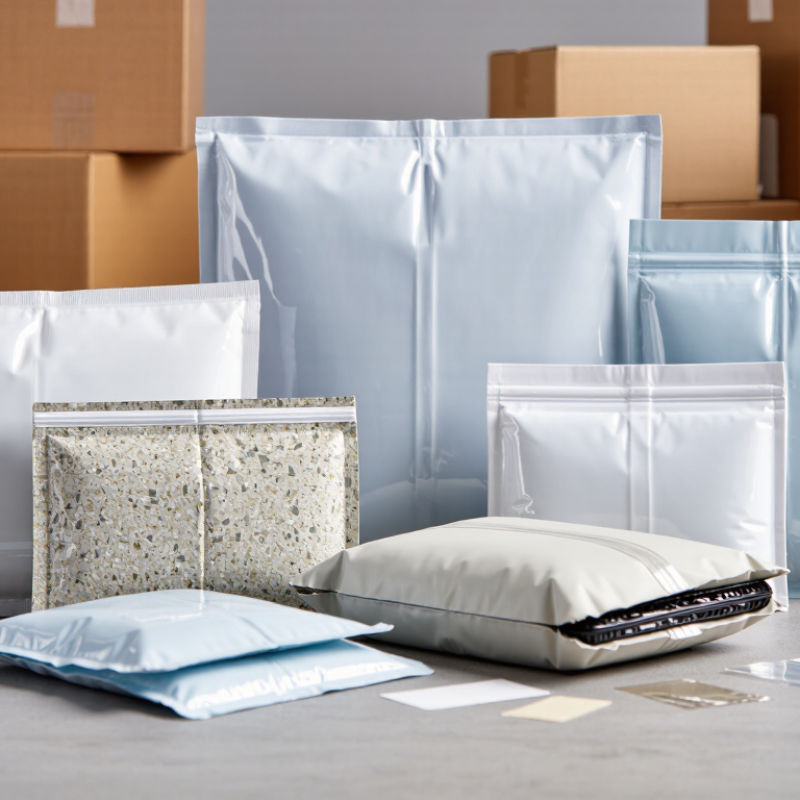
A polymailer bag is a lightweight shipping envelope made from flexible plastic film. It usually has a self-sealing flap and protects soft goods from dust, moisture, and minor scuffs. Common types include standard, recycled-content, co-extruded, padded, and compostable-style mailers. Each type changes protection, appearance, cost, and disposal requirements.
Type matters because a thin mailer may suit clothing, but it can fail around sharp corners or heavy hardware. A padded version adds cushioning for small accessories, although it uses more material and costs more to ship. Recycled-content film can support sustainability goals, yet its strength and print quality should be tested for each product. Compostable-style options also need suitable storage and disposal conditions. No type is perfect.
Tips: Match the bag to the product’s weight, edges, and moisture risk. Test seals after temperature changes. Check film thickness, tear resistance, and closure strength with real packing samples. Ask suppliers for material specifications and independent test reports. Confirm local packaging and waste rules before making environmental claims. I would not choose from appearance alone; a clean-looking mailer can still split during sorting. Small defects often appear only after repeated handling. That detail deserves attention.
Which Polymailer Materials Best Suit Global Shipping Needs?
Global shipping exposes polymailer materials to rain, humidity, temperature changes, and rough handling. Low-density polyethylene (LDPE) remains a practical choice because it is flexible, lightweight, and resistant to moisture. A 60–80 micron film often suits ordinary apparel shipments, while heavier parcels may need thicker construction. Moisture changes everything.
For retailers shipping across several climates, co-extruded polyethylene can offer better puncture resistance and stronger seals. Recycled-content film may reduce reliance on new plastic, but its performance can vary between suppliers. Ask for documented thickness, tear strength, seal strength, and recycled-content percentages before ordering. Appearance alone proves very little. Clear specifications matter more.
Compostable or bio-based mailers can fit selected supply chains, yet they require careful storage and suitable disposal systems. They may soften in high humidity or lose strength during long transport. That limitation deserves honest attention. A material that sounds sustainable may create more waste if local facilities cannot process it. I would test sample bags with folded garments, sharp corners, cold storage, and simulated compression before choosing a large production run. Even then, results can differ across factories and shipping routes.
How Do Polymailer Bag Closures and Features Compare?
2026 Best Polymailer Bag Types for Global Buyers?
How Do Polymailer Bag Closures and Features Compare?
Global parcel volumes keep raising the standard for polymailer design.
The Pitney Bowes Parcel Shipping Index recorded
161.2 billion parcels worldwide in 2022.
A weak seal can turn efficient fulfillment into a costly customer complaint.
Pressure-sensitive closures are fast, clean, and suitable for high-volume packing. However, adhesive strength may change in cold warehouses or humid delivery routes. Test the seal after storage, not only after application.
A double adhesive strip supports returns without adding a separate pouch.
This feature matters as cross-border shopping expands. The International Postal Corporation’s 2023 shopper survey reported that
59% of respondents had purchased internationally.
A return strip can shorten repacking time and reduce extra packaging.
Tear-open strips also improve convenience
,
but they may weaken the bag if placed too close to the edge. Small details matter.
Material choice deserves equal attention.
Mono-material polyethylene bags are easier to sort than mixed constructions, while recycled content can reduce reliance on virgin resin. Yet recycled film may show uneven color or slightly lower stiffness.
That is not automatically a failure.
Buyers should compare puncture resistance, seal strength, opacity, and label adhesion using real shipping simulations. Many specifications look impressive on paper.
Real parcels are less polite.
Which Polymailer Types Fit Different Products and Industries?
For global buyers, polymailer selection should follow the product’s shape, weight, and handling risks.
Pitney Bowes’ Parcel Shipping Index reported 161.1 billion parcels worldwide in 2022. That volume makes small packaging decisions commercially important. Lightweight apparel usually suits a standard polyethylene mailer with a strong peel-and-seal closure. Its flexible shape reduces unused space and shipping weight. Books, documents, and flat accessories need a gusseted or reinforced mailer instead. Sharp corners can test weak seams.
Different industries need different protection. Fashion sellers may choose recycled-content or recyclable mono-material mailers for jackets, trousers, and soft goods. Beauty products often require padded mailers, especially when glass containers travel together.
Small electronics benefit from bubble-lined mailers, although the cushioning may complicate recycling. Subscription businesses often prefer tear-strip mailers because customers can open them quickly. Spare-parts suppliers should consider thicker film and double sealing for dense metal items.
A practical test matters more than a catalog description. Pack the heaviest realistic order, drop it from common warehouse heights, and inspect the seal. ASTM D5276 drop testing can provide a repeatable reference, but real courier handling is less polite. I have seen attractive thin mailers fail at corners. Too much film is wasteful; too little creates returns. The right type is rarely the cheapest unit. It is the one that protects the product without adding unnecessary material or packing steps.